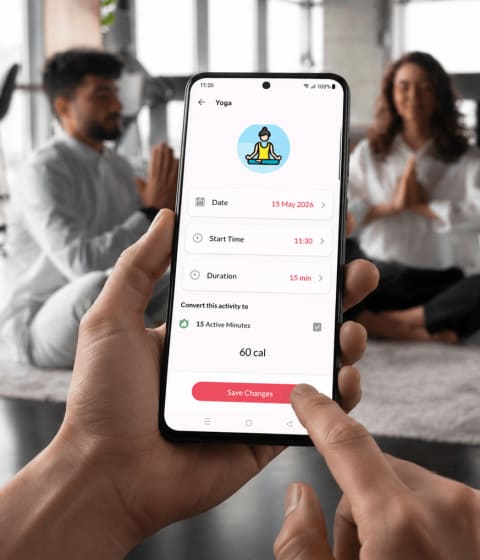

Employee wellness programs benefit organizations across four dimensions of well-being: physical, mental, financial, and social. Done well, they improve mental health, lower chronic-disease risk, boost morale and productivity, strengthen recruitment and retention, and reduce healthcare costs.
Purpose-built wellness platforms like Vantage Fit help HR teams run and measure these programs. IBS Software, for example, reached 88% engagement with its wellness challenge.
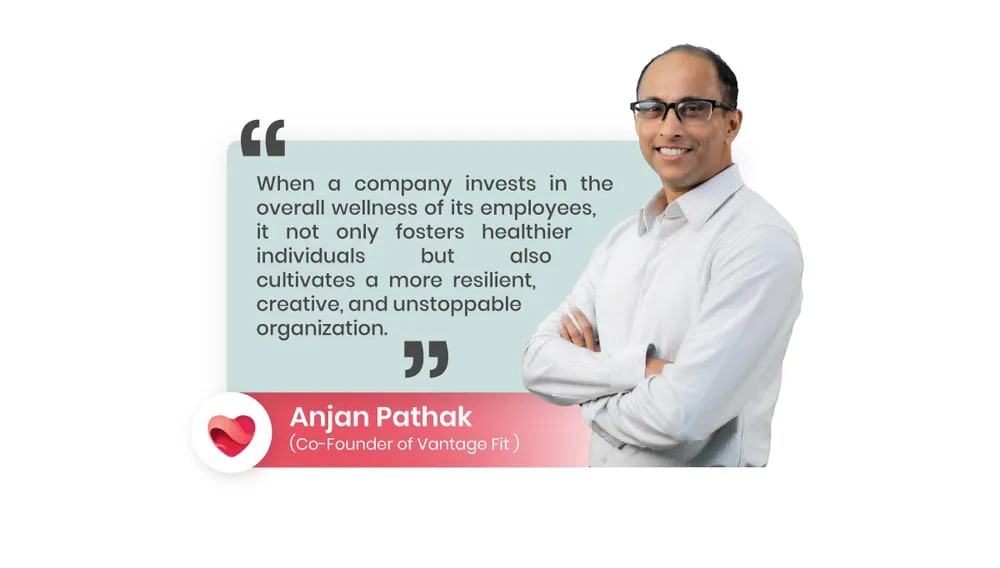
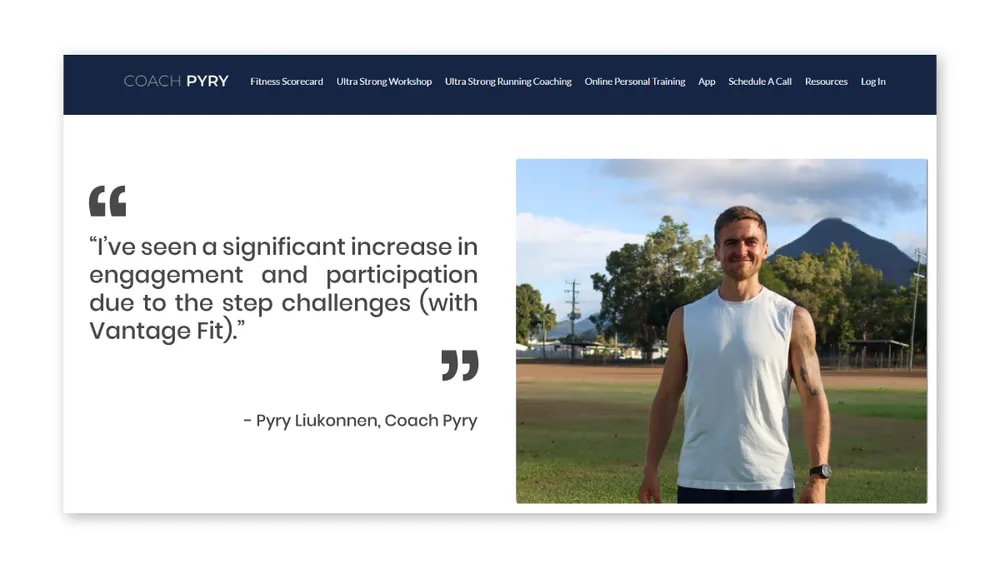
As Anjan Pathak, CTO and Co-Founder of Vantage Fit, insightfully points out:
This shift is showing up in career decisions. A growing share of Gen Z and Millennial workers now weigh an employer's health and wellness offerings when choosing a job. When companies demonstrate genuine care for their employees' well-being, employees respond with loyalty, deeper commitment, and a stronger sense of belonging.
This blog explores the role of employee wellness programs, their benefits across all dimensions of wellness, and why they're now a necessity in a competitive talent market.
What are the Benefits of Wellness Programs at Work?
“Workplace wellness programs are initiatives provided by employers to increase awareness, encourage behavior change, and create environments that support healthy practices" (- Sandra G. Aldana).
Every wellness program should reflect the company’s unique culture and workforce. That said, there are a few tried-and-true components that deliver real results:

Here's how each dimension of wellness maps to a concrete employee benefit and the proof behind it:
| Wellness dimension | What employees gain | Supporting proof |
|---|---|---|
| Physical | More daily activity, energy, and stamina | POSOCO employees logged over 11 million steps in a two-week walkathon, with 97% taking part |
| Mental | Lower stress and genuine support for mental health | Every $1 invested in treating depression and anxiety returns about $4 in better health and productivity (WHO) |
| Financial | Less money stress, so focus stays on the work | 44% of employees say money worries distract them at work, and 60% feel financially stressed (PwC, 2023) |
| Social | A stronger sense of belonging and a reason to stay | Landmark Group's walkathon brought 5,000+ employees together across in-house teams |
Let’s dive into the benefits.
1. Improved Mental Health
The vast majority of large U.S. employers now offer wellness programs. They recognize that mental well-being is crucial to productivity, engagement, and retention. Employees who feel genuinely supported experience less anxiety. They also focus better and bring their best selves to work and beyond.
A well-designed wellness program offers more than benefits on paper. It offers tools to manage stress, like resources, workshops, and counselling.
The impact of these efforts is clear.
- Deloitte's 2024 analysis for UK employers found that training managers on mental health delivers an average return of about £5 for every £1 invested, alongside higher retention and morale.
- Entain, a global entertainment company, built mental health training into its leadership development, encouraging managers to support employees more proactively.
- At Case Western Reserve University, programs like “Walktober” and “Well-Travelled” helped employees manage stress and build stronger social connections.
- Microsoft's "Mental Health Moment" series normalizes wellness conversations, helping employees feel safer raising challenges with their managers.
Reality Check: What Actually Works?
Many companies introduce well-being apps, AI chatbots, or meditation sessions to help employees manage stress. While these tools have their place, they’re most effective when paired with more profound workplace changes. TEDx speaker Anna Greenwald explains this disconnect perfectly:
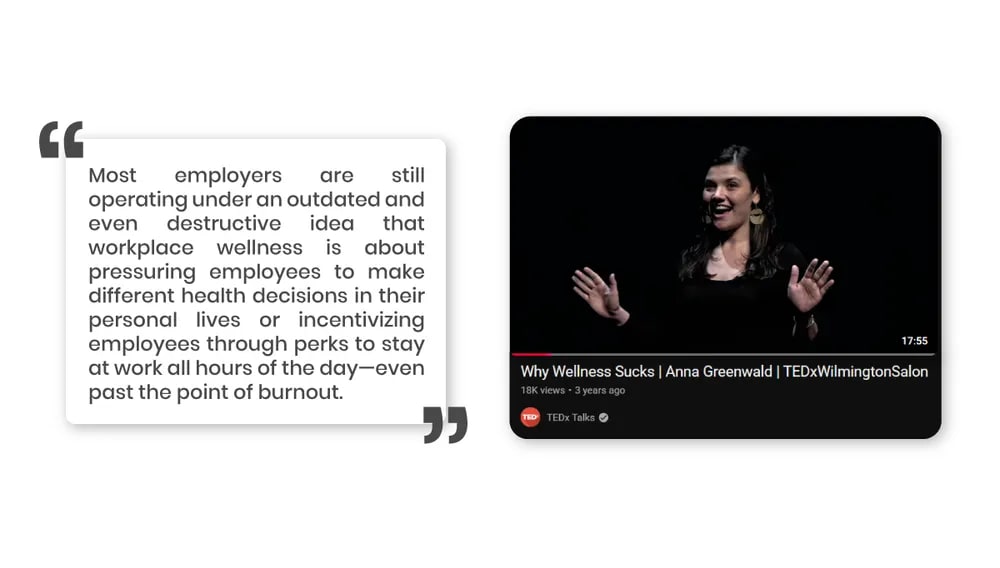
She further adds, "Human-centered work demands an approach to everything we do, how we design the foundation of our businesses, and how we work each day. This is the future of workplace wellness."
An overwhelmed employee can use a mindfulness app every morning, but if their workload is still unmanageable, that stress will not go away. Wellness programs work best when they go beyond individual-focused interventions (“I-frame”) and address systemic changes (“S-frame”): things like workload management, flexible policies, and leadership training on mental health.
Some organizations are already proving this shift is possible. Best Buy’s “Results Only Work Environment” (ROWE) gives employees complete control over when, where, and how they work as long as they meet their job objectives. A study on ROWE found that this level of flexibility reduced negative work-to-home spillover and encouraged healthier habits.
Slack’s “Maker Time” and “Focus Fridays” follow a similar principle, setting aside dedicated time for uninterrupted work. The payoff is real: research covered by MIT Sloan Management Review found that meeting-free days measurably improved productivity while lowering stress.
2. Improved Physical Health
Employee wellness programs often include initiatives that encourage physical activity. Examples include office fitness challenges, on-site or subsidized gyms, discounted gym memberships, and exercise resources.
Brazosport Independent School District ran a step challenge called "Fit Wars" on Vantage Fit to get employees moving. It reached 86% engagement, with participants averaging over 6,000 steps a day. It was a powerful reminder of how small, consistent steps can lead to significant physical benefits.
Another key component is support for healthy eating and nutrition. This could be through nutrition advice, workshops, and healthier food options at work. After completing activities, most programs offer points or rewards. Employees can redeem these for various perks.
By educating and supporting employees in making better dietary choices, these programs aim to improve overall physical health.
3. Helps Overcome Chronic Disease Risks
With 90% of U.S. healthcare costs tied to chronic illnesses, the workplace is no longer a passive observer. It has become an active participant in preventive care. Employee wellness programs are leading this change, but how do we turn intentions into lasting health results?
The journey begins with the proactive identification of potential risks. Savvy companies are implementing the following:
Biometric Screenings & Health Risk Assessments: Biometric screenings serve as early warning systems. They include tests for blood pressure, cholesterol, blood sugar, BMI, and more. These health risk assessments help detect potential health issues before they develop into serious conditions.
Preventive Health Education: Empower employees by providing knowledge about their health status. Offer actionable steps for improvement to support long-term well-being.
Accessible Healthcare Professionals: Onsite clinics, virtual consultations, and personalized health coaching ensure timely intervention and easy access to care.
The results are compelling: studies indicate a 28% reduction in coronary heart disease risk and a 58% decrease in type 2 diabetes risk among active wellness program participants. Early detection equals early action, minimizing long-term health complications.
That kind of sustained activity shows up in real programs. Across Tata Motors' Step & Stride Challenge on Vantage Fit, the organization held an average BMI of 24, squarely in the healthy range.
However, identifying risks is just the first step. Genuine, lasting health improvements stem from sustained behavioral shifts. Wellness programs are designed to foster these changes through:
- Fitness Initiatives: Through wellness challenges and other initiatives, these programs help combat obesity, cardiovascular diseases, and more.
- Nutritional Guidance: Access to registered dieticians, healthy office snack options, and workshops help employees make informed food choices.
- Smoking Cessation Support: Offer counseling, resources, and incentives to help employees quit smoking.
- Stress Management Strategies: To address the link between chronic stress and disease, wellness programs offer mindfulness exercises, mental health resources, and flexible work arrangements to promote relaxation and well-being.
Most wellness programs help prevent chronic diseases in 2 ways -

A study involving nearly 400 participants revealed that engagement in wellness initiatives improved medication adherence, reduced stress levels, and decreased fatigue, all crucial factors in effective chronic disease management.
David DeJoy, professor emeritus of health promotion and behavior in UGA’s College of Public Health, once famously said, “ You can’t separate the culture of health from the culture of the organization.”
4. Improves Recruitment and Retention
Wellness programs attract talent by signalling that a company cares beyond just the paycheck. Today’s candidates want more than traditional benefits. They look for employers that support their overall well-being.
Studies indicate that many job seekers value wellness offerings (such as flexible working options, mental health support, and paid vacation) over higher salaries. This shift in priorities means companies integrating holistic wellness programs stand out in a crowded job market. Unsurprisingly, organizations with strong wellness initiatives consistently report lower employee turnover than those without.
Wellness programs are not just perks; they are vital elements that reflect a company’s commitment to caring for its employees. When wellness is woven into the fabric of a company’s culture, it drives loyalty, fosters engagement, and sets organizations apart in a competitive talent market.
- Companies with wellness programs tend to see more employees reporting greater job satisfaction.
- In Wellhub's 2025 State of Work-Life Wellness report, 83% of employees said they would consider leaving an employer that doesn't prioritize wellbeing.
- A positive well-being culture increases the likelihood of employees recommending their workplace, boosting the employer’s reputation.
An often overlooked but decisive factor in retention is the sense of belonging wellness programs create. Initiatives that promote social connections (such as group fitness challenges, wellness retreats, and peer support programs) help employees feel part of a community. When people form strong workplace bonds, they are less likely to leave.
A thriving workplace culture, where well-being seamlessly weaves into the employee experience, ensures that employees don’t just stay for the perks; they stay because they feel valued. If you’re looking for inspiration, exploring what goes into a corporate wellness program is a good starting point.
Did you know? Asana offers nap rooms for employees to rest and recharge, along with unlimited PTO to support work-life balance.
5. Improved Morale
Employee wellness programs have a profound impact on workplace morale. When employees feel cared for, their motivation, job satisfaction, and overall engagement soar. Employees enrolled in wellness programs often report higher job satisfaction, and companies that prioritize well-being tend to see overall morale climb.
A positive workplace culture starts with initiatives that make employees feel physically, mentally, and emotionally supported. Programs that encourage work-life balance, stress management, and social connections foster a sense of belonging. Nearly 9 in 10 employees feel more motivated when leadership actively supports wellness efforts, showing how important it is for organizations to lead by example.
Recognition and incentives also play a huge role. Whether it’s rewards for wellness participation, flexible work options, or mental health resources, feeling appreciated boosts morale. Employees receiving support beyond their work tasks are more engaged and committed to their jobs.
Major companies have seen the benefits firsthand. Google’s Parental Support Programs, which include on-site childcare and parenting workshops, have significantly improved morale by helping employees balance personal and professional responsibilities. As someone who’s seen friends struggle with this, I know how much a little support can mean.
Similarly, Starbucks’ Financial Wellness Programs address financial stress, making employees feel more secure and valued, key drivers of workplace happiness.
Morale grows through consistent experiences that help people feel involved, supported, and connected to their workplace.
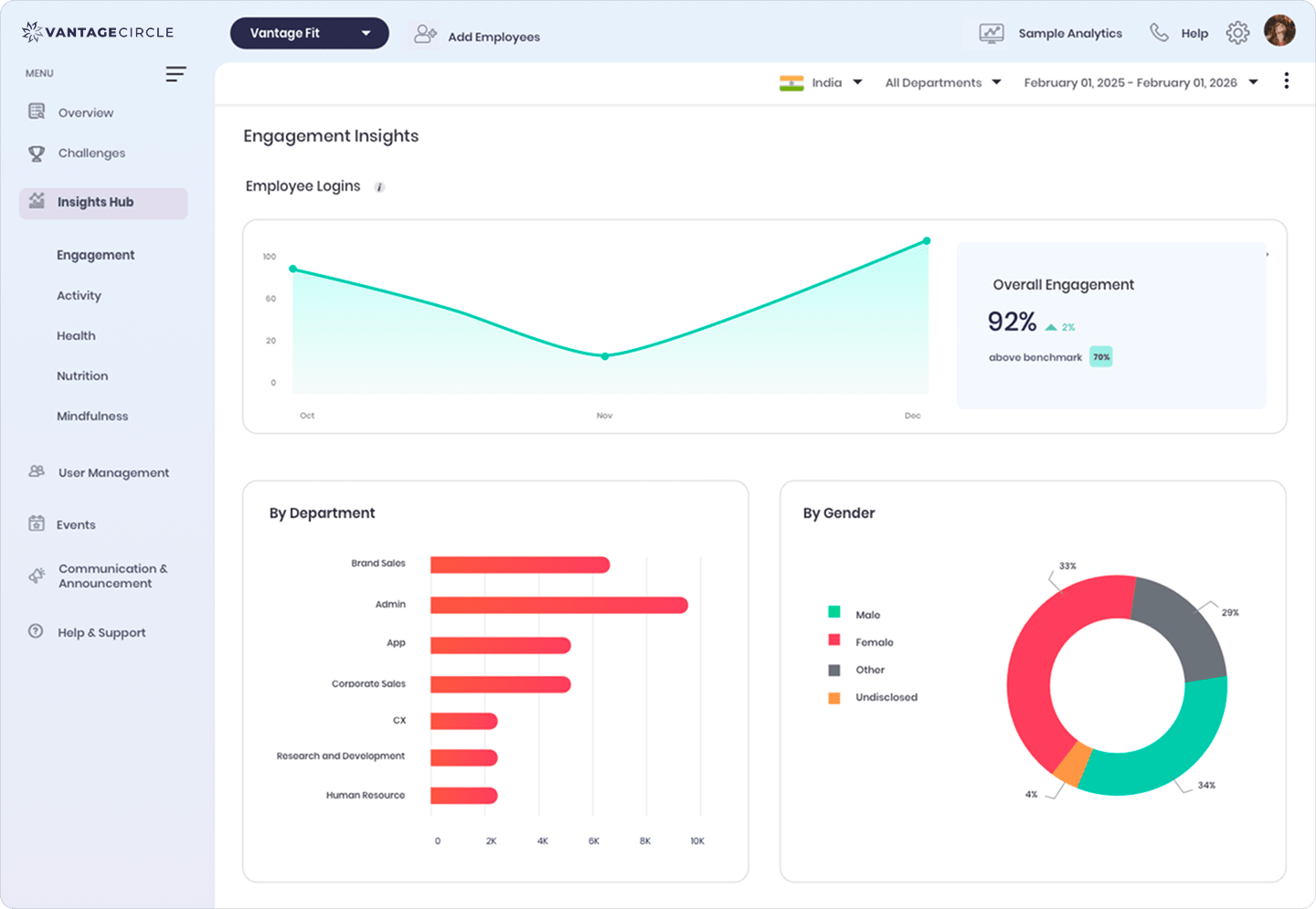
Platforms like Vantage Fit help HR teams nurture this over time by offering a clear, real-time view of engagement.
Teams can track participation, understand which departments are most active, and follow activity trends across challenges. This visibility makes it easier to fine-tune programs and keep engagement moving in the right direction.
This approach comes to life in Wipro’s 2025 wellness challenges, powered by Vantage Fit. By using participation insights to shape each new initiative, Wipro increased active engagement from 163 to 550 employees, reaching a 3X rise. Employees also logged 46.53 million steps across teams in more than 30 countries.
Each challenge added momentum to the next, turning wellness into an ongoing journey rather than a one-time effort.
6. Boosts Productivity
Productivity isn’t about clocking in extra hours. It’s about working smarter, feeling supported, and staying engaged. When employees have access to wellness programs that give them the tools to function at their best, they’re more likely to bring their best selves to work.
From mental well-being to financial security, small yet meaningful initiatives can make a world of difference.
For instance, Employee Assistance Programs (EAPs) provide confidential support for personal and professional challenges, offering counseling and financial advice. Flexible work options work the same way. Giving employees control over their schedules (whether through remote work or flexible hours) reduces burnout, fosters work-life balance, and improves overall job satisfaction.
The numbers don’t lie. Organizations with strong wellness programs consistently see a measurable boost in productivity when employees feel genuinely supported, engaged, and free from constant burnout.
Fewer absences are a big part of that story. When employees move more, they miss less: workers who fit in around 75 minutes of exercise a week take roughly four fewer sick days a year. Programs that make daily movement easy help keep teams present, which is a direct win for employers watching absenteeism and cover costs.
A productive workplace doesn’t run on pressure; it runs on purpose, care, and the right kind of support.
7. Reduced Healthcare Costs
One of the big goals of these programs is to save money on healthcare in the long run. Healthy employees might not need as many doctor visits or expensive treatments.
But sometimes, the cost of prescriptions can make it hard for people to buy and take all the medicine they need! Especially the ones who are suffering from chronic conditions.
Suppose a wellness program helps the company save money on overall healthcare costs. In that case, employees could end up paying less money from their own pockets for their medications. This could be through:
- lower monthly health insurance payments,
- lower co-pays when they pick up their prescriptions or
- lower deductibles they need to meet before insurance fully kicks in.
Consistent adherence to prescribed drug therapies, particularly for managing chronic conditions that wellness programs often address (like high blood pressure, high cholesterol, etc.), leads to better management of these conditions and a reduced risk of complications.
For example, an employee participating in a wellness program that includes chronic condition management and benefits from lower medication costs is more likely to consistently take their medication, leading to better control of their condition.
Think of it like this: if something costs less, you're more likely to buy and use it properly.
Doesn’t that make all the sense?
Not only that. Many programs also target unhealthy behaviors such as inactivity, smoking, and poor diet. The goal of offering resources and incentives to adopt healthier lifestyles is to reduce the incidence of related health problems and their associated medical costs.
Want to see the numbers for your own team? Estimate your potential savings with our free Employee Wellness ROI Calculator.
Studies have shown that for every dollar invested in wellness programs, companies can expect to save between $1 and $3 in healthcare costs. Harvard research from 2010 found that medical costs fall by around $3 for every dollar invested in wellness programs. Industry estimates put the payoff at roughly $250 in annual healthcare savings per employee.
8. Supports Financial Wellbeing
PwC's 2023 Employee Financial Wellness Survey found that 44% of full-time employees say money worries distract them at work, and 60% feel stressed about their finances. Younger employees, in particular, increasingly want financial well-being built into their benefits.
Recognizing this, employers are expanding financial-wellness support. Bank of America's 2024 Workplace Benefits Report found that 54% of larger employers now offer financial well-being initiatives. Retirement planning support is one way these programs make a tangible difference.
- Many employers offer 401(k) plans with matching contributions allowing employees to grow their savings.
- With the SECURE Act 2.0 (2024) allowing companies to match contributions while employees pay off student loans, financial wellness programs now serve a dual purpose: helping employees reduce debt while still preparing for retirement.
Financial incentives within wellness programs also provide direct benefits. Many employers offer cash rewards, gift cards, or reduced health insurance premiums for participation in health-related challenges.
The Affordable Care Act (ACA) actively supports such incentives, allowing companies to structure wellness benefits that improve employee well-being while putting extra money in their pockets.
Education plays a key role, too. Myntra’s "Thrive" wellness framework includes financial prosperity as a core principle, inviting asset and wealth management experts to guide employees on investment strategies and tax-saving opportunities.
When employees feel financially secure, they can focus better on their work, reduce stress-related distractions, and improve overall performance.
However, financial wellness programs must be inclusive. Wellness programs should be designed to benefit employees of all financial backgrounds, ensuring that even those with limited resources can access and participate.
Research suggests that lower-income employees or those with health concerns may be less likely to participate in certain wellness initiatives, leading to concerns about cost-shifting. A thoughtful approach is necessary to ensure that financial well-being initiatives benefit all employees, not just those already financially stable.
9. Enhanced Employer Reputation
A company’s reputation isn’t just built on products or profits. It’s shaped by how it cares for its people. According to the American Psychological Association, 89% of employees in companies that actively promote well-being are highly likely to recommend their workplace to others.
This level of endorsement speaks volumes about how wellness initiatives directly contribute to a company's credibility and appeal.
More than ever, businesses are being evaluated on their commitment to social responsibility, with employee well-being playing a critical role in ESG (Environmental, Social, and Governance) frameworks. Investors and stakeholders increasingly view human capital management as a core indicator of a company's stability and ethical standing.
Beyond that, a strong wellness culture is a magnet for talent. Programs that emphasize work-life balance, stress management, and health perks create an environment of trust and inclusion. They attract high-performing, human-centered individuals looking for a workplace that values well-being as much as productivity.
Organizations like Google set industry benchmarks with extensive wellness resources. Near-universal buy-in sends an even stronger signal: Serum Institute reached 99% participation with its Vantage Fit program. That level of engagement builds trust and credibility, and creates a workplace where employees feel genuinely valued and supported.
10. Fosters Community Involvement and Engagement
There’s something powerful about shared experiences, about people coming together for a common goal. The theory of reasoned action posits that an individual's intention to perform a behavior is influenced by the perceived social norm, which is their belief about what is considered acceptable or typical behavior among their important social circles, such as colleagues.
In wellness programs, perceived social norms play a vital role.
When employees see their colleagues participating in wellness activities, such as exercise programs, health screenings, or nutritional workshops offered by the wellness program, it contributes to a perception that these behaviors are the social norm within the workplace.
This positive perceived social norm can strengthen an individual's intention to participate in the wellness program and adopt healthier behaviors. The feeling of being part of a group that values health can be a powerful motivator.
Moreover, Dr. Michael O’Donnell created a simple model for workplace wellness. The model is called AMSO. AMSO stands for Awareness, Motivation, Skills, and Opportunities.

According to AMSO data, "Opportunities" account for 40% of behavior change success. Therefore, employees are more likely to sustain healthier habits if a company has a supportive environment, good policies, and peer support.

A perfect example of this was the recent Guwahati Half Marathon, where over 100 participants from Vantage Fit came together to run, cheer, and celebrate movement. What started as small weekend trial runs, spearheaded by our CTO, Anjan Pathak, soon became a collective movement.
As more colleagues joined in, the energy grew, and participation skyrocketed. This sense of shared commitment led to an incredible achievement: winning the Corporate Champion Award for the highest participation.
When well-being becomes embedded in workplace culture, participation isn’t just encouraged; it becomes second nature.
Since we all learned the amazing benefits of employee wellness programs, let's now understand how to set one up at your workplace. If you're thinking about budget, it's also worth understanding what a corporate wellness program typically costs before you get started.
How to Set Up an Employee Wellness Program
Before you build, find out what your team actually wants. Our free Employee Wellness Survey Template makes it easy to gauge needs.
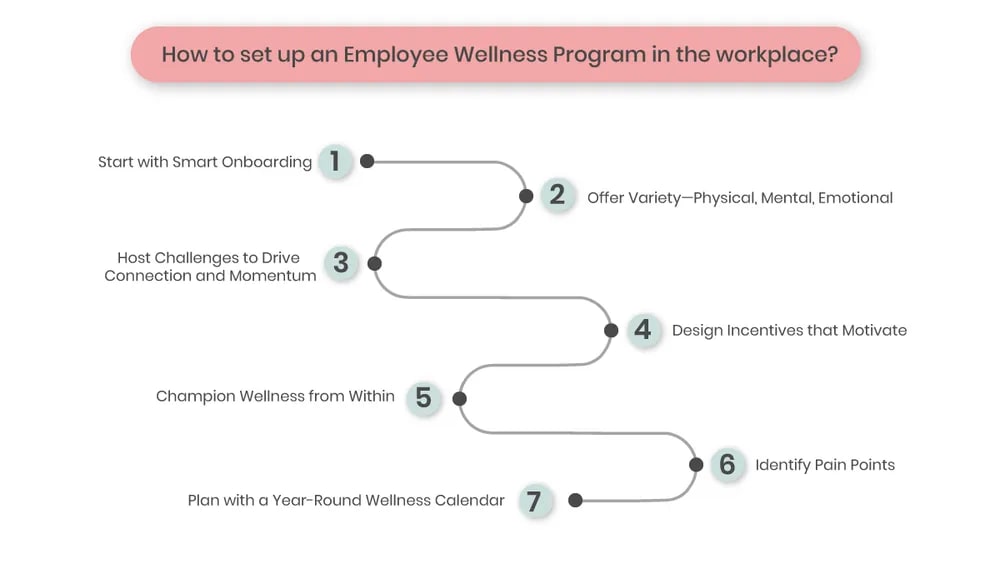
Setting one up doesn’t need to be complex. At its core, it’s about showing employees their well-being matters and building a culture where health, connection, and support thrive. A few essentials get you most of the way there:
- Start with light onboarding. Gather basic, non-identifiable wellness metrics so you can tailor initiatives without compromising privacy.
- Offer variety across dimensions. Go beyond steps: mental check-ins, nutrition tracking, guided meditations, and mood meters.
- Run challenges with meaningful incentives. Step and water challenges, mood streaks, and wellness points employees actually want. Vantage Fit integrates Lifestyle Spending Accounts and a curated rewards catalog.
- Champion wellness from within. Culture change sticks when wellness champions emerge across the organization, not just from the top.
- Review and adjust year-round. Vantage Fit’s analytics dashboard surfaces participation, risk areas, and engagement trends, and a pre-built wellness calendar keeps momentum going all year.
Ready to pitch it internally? Our free Wellness Program Proposal Template helps you make the business case to leadership.
For a full walkthrough, see our guide to building a corporate wellness program and the core elements of a wellness program. Interested in building one that benefits your employees? Schedule a demo to see how we can help.
Bottom Line
When we strip away the spreadsheets, metrics, and ROI calculations, what remains is beautifully simple: wellness programs work because they honor our shared humanity. They acknowledge that everyone who walks through your company's doors brings their whole self: hopes, worries, health challenges, financial pressures, and personal aspirations.
The organizations that will thrive aren't necessarily those with the most cutting-edge technology or aggressive growth strategies. Instead, they'll be the ones who understand a fundamental truth: when you care for people as whole human beings, everything else follows.
Employee wellness programs are truly a rising tide that lifts all boats. When we invest in the well-being of our people, we don't just build better workplaces. We build a better world, one healthier, happier employee at a time.
Frequently Asked Questions
What is an employee wellness program?
An employee wellness program is a set of initiatives designed to support the health and well-being of employees in the workplace.
It could include anything from fitness challenges, meditation sessions, and mental health resources to healthier food options and stress management workshops. The goal is to create an environment that helps employees feel good physically, mentally, and socially so they can perform their best.
Why should companies have a wellness program?
A wellness program helps companies create a workplace where people feel supported in all aspects of their lives, not just their work performance. Companies can reduce stress-related issues, absenteeism, and burnout by prioritizing employee health and happiness.
A healthy team is likelier to stay engaged, work well together, and contribute positively to the company’s culture.
What are some examples of wellness programs for employees?
Here are some wellness program ideas that companies are using to make a difference:
- Offering gym memberships or organizing fitness challenges
- Providing access to counseling or mental health support
- Hosting workshops on nutrition and healthy eating habits
- Creating spaces for relaxation or mindfulness practices
- Introducing flexible work schedules to manage work-life balance
- Running financial wellness programs to reduce stress
- Providing resources like Employee Assistance Programs (EAPs)
Read more about Corporate Wellness Programs for employees.
How do you measure the benefits of a wellness program?
Track a mix of participation and outcome signals: enrollment and engagement rates, activity trends, health-risk improvements, absenteeism, and retention. Pair those numbers with employee feedback so you understand the "why" behind them.
For putting a dollar value on results, see our guides to the ROI of wellness programs and the cost-benefit analysis of workplace wellness programs.
How do employee wellness programs benefit employers?
Employers benefit because healthy, supported employees are more focused, present, and productive. Wellness programs are linked to lower absenteeism (employees who exercise regularly take about four fewer sick days a year), reduced healthcare costs, and stronger retention, alongside better day-to-day team collaboration.
How do we promote wellness at work?
There are many ways to make wellness part of your workplace culture:
- Offer flexible work options that allow employees to balance personal and professional commitments.
- Introduce wellness challenges or fitness events to encourage physical activity.
- Provide access to mental health support through counseling or stress management programs.
- Create spaces for employees to relax or practice mindfulness.
- Encourage healthy eating by offering nutritious snacks or hosting nutrition seminars.
- Build a work environment where employees feel comfortable discussing their well-being.
Are outcomes-based wellness programs worth it?
Outcomes-based wellness programs can be effective when they're aligned with the needs of employees. They focus on measurable results like health improvements or reduced healthcare costs.
But it’s essential to ensure these programs are accessible and meaningful to everyone. Without employees buy-in, the results may not be as impactful as intended.
What are the major cons of company wellness programs?
Not all wellness programs work for every employee. For some, it might feel like a one-size-fits-all solution that doesn’t address their needs. Participation can be an issue, especially if employees think it’s mandatory or don’t see personal value in the offerings.
Programs must be designed thoughtfully to ensure they’re inclusive and optional, allowing employees to engage on their terms.
What are the major benefits companies choose to hold employee wellness programs?
The biggest benefit companies see from wellness programs is improved employee well-being, which leads to higher engagement, productivity, and overall happiness. It's an investment in your people that pays off in spades.