
Want to bring this to your team? Schedule a free Vantage Fit demo to see how mood tracking, guided meditations, and mindfulness minutes work alongside team challenges.
Resilience is a quality that you either do or do not possess. An emotionally resilient individual can respond to stressful or unexpected crises more skilfully. As age, identity, and experiences in life highly determine your emotional resilience.
A good half of the art of living is resilience.
– Alain de Botton
Emotional Resilience In Employees'
Employees with a higher emotional resilience can handle the stresses more effectively and calmly. They are also able to manage uneasy circumstances at work more easily.
It is a trait that can be developed or cultivated by oneself over time. It's a trait that is worth developing in today's time. It is because less resilient people experience a harder time dealing with stress and life changes in their personal and professional lives.
Employees with emotional awareness understand what they're feeling and why. They can better undermine their emotional, physical, mental, and spiritual wellness. And therefore, developing an emotionally resilient workplace has become more crucial than ever.
Key Takeaways
- Three pillars of emotional resilience. Physical (energy, health), emotional/psychological (self-esteem, regulation), and social (relationships, support system). Weakness in any one undermines the other two.
- Resilience is built from re-trying, not avoiding failure. Meghna's coaching pattern: when someone feels defeated, ask what they did differently last time. Then make a small tweak, not a radical pivot. 95% of the time the tweak works.
- Social media is the invisible resilience-drain. The chase for likes damages self-esteem in adolescents and adults alike. A deliberate digital detox is a resilience practice, not a luxury.
- Unreasonable self-expectations are the modern trap. People take on roles and expectations imposed by others, then blame themselves when they can't meet them. Naming the imported expectation is the first step to releasing it.
- The 30-minute walk reset. Fresh oxygen to the brain interrupts a stuck thought loop — solutions that weren't available at the desk often surface on the walk.
- Employers: stop judging bad days, start asking "are you OK?" Three words that change the dynamic of a relationship. Paired with true listening — watching cues, not rushing to respond — this is the lowest-cost resilience intervention a manager can make.
- A happy workplace is a productive workplace — but happiness is personal. Hybrid flexibility, recognition, passion alignment — the definition varies by employee. Positive reinforcement triggers the loop: recognised work → harder work → more recognition.
In Meghna's Words
On what resilience actually is
Emotional resilience means an individual who has the strength to power through a storm and keep themselves steady. It is bouncing back from stressful encounters — coming from a place of strength and accepting that failures happen, reaching that bottom, and rising up again.
Ninety-five percent of the time, I'm not doing anything different. I'm just telling them — you've already done this before. Let's try tweaking it a little bit.
On what drains resilience now
We get our validation, especially the younger adults and teenagers, from likes and feeling wanted. That creates self-esteem and self-confidence issues. You push yourself, don't see the rewards come back, and fall into a vicious cycle where you think you're a failure when in reality you are not.
On self-acceptance
You cannot fundamentally change the person looking at themselves in the mirror. You have to accept every aspect of you as a being. Build that, and self-confidence follows.
On what leaders and managers should do
Don't judge someone on their bad day. They must be going through something. Three simple words — "are you OK?" — can change the dynamic of a relationship.
True listening is when you're not ready to respond back very quickly. Watch the body language cues. Sometimes the person wants a suggestion. Sometimes they just want you to listen. The cues will tell you.
On workplace happiness
If the manager gives back that recognition, it creates a positive reinforcement loop. The individual will work ten times harder now — because they felt that their work was recognised and that it mattered.
About The Speaker
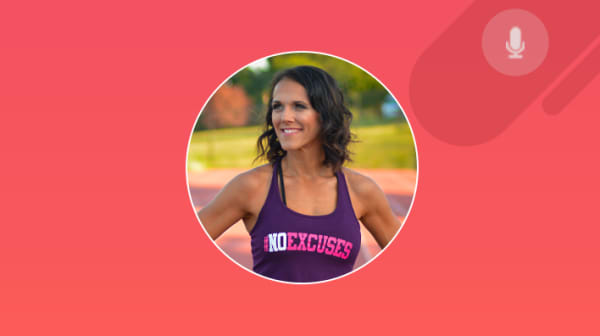
Megha Mathur is a Stress & Anxiety and Corporate Wellness Coach.
Resilience Coach Professionals come to her to change their narrative and life stories to start living a more resilient and promising life. She is an experienced life coach who helps build RESILIENCE within you. Meghna also helps one realize the full potential that lies within oneself.
You can also find and connect with her on LinkedIn
Show Notes
(01:01) How do you define emotional resilience? What are the traits of an emotionally resilient individual?
(06:06) How important is it to build resilience in the current world?
(10:01) What are the struggles people face when they are not resilient, at work and outside?
(12:45) Can exercises help develop resilience? So is exercising a solution.
(19:53) What can employers do to make their employees resilient?
(23:40) Are you saying a resilient workplace is a happy and productive workplace?
(28:16) Are there any suggestions you would like to give to our listeners?