
For HR leaders: Schedule a free Vantage Fit demo to see how the admin dashboard, audience targeting, and engagement analytics support program design end-to-end.
Employee wellbeing is one of the most talked-about topics in today's world. And wellbeing does not necessarily mean just physical health. It is more about how our job, duties, stress levels, and environment impact overall happiness and health.
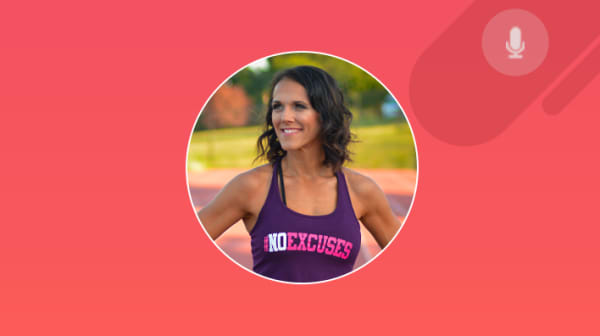
In this podcast, Alyssa Poggioli talks about the significance of employee wellbeing in the corporate world. She further discusses the various dimensions of wellness and puts her views across regarding corporate wellness programs and their effectiveness.
Key Takeaways
- Most corporate wellness is box-checking, not support. After ten years running on-site fitness centres, Alyssa's blunt verdict: organisations "seldom provide the services employees actually need." The perk exists so HR can say it exists — and employees end up feeling like a statistic forced to fit a mould.
- 52% of workers reported unhappy at work on the 2016 happiness index. She cites the number (a happiness rating of 31 out of 100) as the business case: wellbeing is no longer optional when half your workforce is disengaged across pay, leave, health plans, and promotion policies.
- Wellbeing is nine-dimensional, and the low-engagement employee doesn't need a lunch-and-learn. Physical, mental, emotional, social, environmental, cultural, intellectual, financial, spiritual. When someone disengages, the instinct to push them toward the gym misses the actual dimension that's off.
- One-size-fits-all is the biggest program design mistake. Her prescription to HR: ask the population, take statistics, get feedback, check in often, and don't put the whole wellness budget in one basket. Needs shift as the organisation shifts and as the year shifts.
- Remote work exposes wellbeing, it doesn't fix it. The "they can take care of themselves at home" narrative is wrong. Passionate employees can't shut off — leaky boundaries, 15-hour days, overeating from being near the fridge. The result: disengaged, burnt out, resentful, high-cost employees.
- Apps substitute for the human connection that most people actually need. Technology helps a specific personality type; everyone else needs accountability from another human. Part of a healthy life, Alyssa argues, is less tech in the day, not more.
- The healthiest cultures are teams that work out together. It lets colleagues see each other as humans rather than titles. A senior VP struggling through a Tabata class with the team does more for culture than any engagement survey.
In Alyssa's Words
On workplace wellness as theatre vs. substance
Organisations seldom provide the services that employee populations actually need. There's a fine balance between what enables employees to take care of themselves versus checking off the box — "we're an organisation, this is what we're providing." It forces employees to fit a mould, creates unrealistic perks, and makes them feel like a statistic.
Culture and leadership get to be backed up by what the humans need. It's not about just utilising the facilities — because when you do that, you get a disconnected population with low energy, low performers, unhealthy people costing money through insurance and high turnover.
On the nine dimensions
Wellbeing gets to be considered nine-dimensional: physical, mental, emotional, social, environmental, cultural, intellectual, financial, and spiritual. If you have an employee with low engagement, don't think they need to go downstairs and work out. What they likely need is introspection into what's going on mentally or emotionally. Is there an environmental trigger? A cultural one?
On remote work
There's this false accusation that because people are working from home, they're able to take care of themselves, eat right. No, no, no. The people who are passionate and providing for their family — they will not shut off. They have leaky boundaries. Or you have people who simply can't leave the fridge alone. You get a disengaged, burnt out, resentful, low-performing, high-cost employee.
On what actually works
The key is ask the population. Take statistics. Get feedback. Check in often. And don't put all your budget in one basket. People's perspectives on wellbeing differ — asking gives your company culture and retention a greater chance of exceeding goals.
Some of the healthiest cultures I've worked with are the teams within organisations that work out together. There is something to be said for allowing colleagues to see one another as something other than a title — to see them struggle through a Tabata workout and know they're human.
On the employee's side
I urge employees to get clear and vocalise what they need. We live in a world where we tend not to speak up. But if there's something your organisation could do to help you feel supported — ask for it. Put it in writing. Get it up the line.
About the speaker:
Alyssa Poggiolli is a Corporate Health & Wellness Consultant hailing from Chicago, United States. She has served as a corporate fitness manager for the past ten years. And in the present day Alyssa works as a connection coach and is into leadership. Her main motive is to make people create connection and increase their emotional intelligence so they can lead with impact & love with intention.
Alyssa has spent her life dedicated to helping others get clear and redefine what their level of well-being is with a strong emphasis on Mental and Emotional Wellbeing and how it affects our relationship and leadership styles.
Besides, Alyssa spends her free time being active outside, reading books, looking for new recipes to try or watching documentaries.
Connect with her on Linkedin.
Show Notes
(2:08) Tell us about your experience as a Corporate Health and Wellness consultant?
(03:47) Why is employee wellness essential for organizations?
(06:21) Is employee wellbeing multidimensional? If yes, what are your opinions on the various dimensions of wellness?
(08:00) How does employee wellbeing affect employee retention and company culture?
(09:50) What is your take on the growing popularity of employee health?
(11:15) What are your views on Corporate Wellness Programs? Are they effective and beneficial?
(13:30) what role does technology play in any of these? Does it impact employee wellness in organizations?
(14:43) How can employers measure employee wellness?
(16:02) Do you have any suggestions for us and our listeners?
(17:13) If our listeners want to reach you, how would they be able to?