
For distributed teams: Schedule a free Vantage Fit demo to see how multi-timezone challenges, journey challenges, and a native mobile app drive engagement across countries.
The last couple of years have been nothing short of a terrifying roller coaster ride. People around the world were rocked by the ravaging threat to health that we all know as the Covid-19 pandemic.
Businesses, big and small, were forced to change their ways as per international safety standards and nationwide lockdowns. Some had no other option but to shut down their businesses. However, many continued to operate, thanks to remote working.
While remote-working has been somewhat of a boon for organizations, it has also impacted the latter negatively. Employee health is one aspect that has been impacted significantly by remote working.
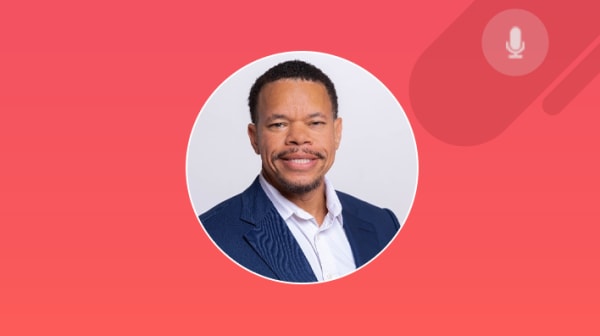
In this podcast, Natalie Floyd expresses her views on how remote working has impacted employee health and wellbeing.
Key Takeaways
- Remote work is a wellbeing opportunity people under-use. Natalie points out the commute alone returns two hours a day — time most workers don't redirect into movement, sleep, or meals. The infrastructure for healthier days exists; the habit gap is why weight and mental health still slide.
- "A day at home is a thousand-step day." Without a commute or office floor to walk, sedentary creep is automatic. Her rule: build movement into the new lifestyle deliberately, because the default shape of a remote day will not deliver it.
- Home workspace design is a mental health lever. Working in the kitchen puts the fridge five feet away; a sink full of dishes at wake-up drags the day down before it starts. She treats clean, separated workspace as a wellbeing intervention, not aesthetics.
- Corporate wellness programs work in remote settings precisely because they create visibility. Managers can't eyeball a distributed team, but they can see participation signals — water logs, step counts, challenge engagement — and reach out when an employee goes quiet. That's the new "how are you doing" check-in.
- Little adds beat big resets. Employees want dramatic transformations fast; Natalie's corporate-wellness prescription is the opposite — stacked small challenges (step goals, water intake) that compound without requiring willpower.
- Hybrid should stay an option, not a demand. Even for remote-capable roles, she argues every employee needs the open door to come into the office when home gets heavy. Full remote can isolate even the people who chose it.
- Employers can't diagnose mental health remotely — but they can keep the door open. She's clear-eyed: no manager can know the factors behind a remote worker's struggle. The job is to signal availability and provide the physical escape hatch of the office, not to detect distress through a screen.
In Natalie's Words
On the remote wellbeing dividend most workers waste
Think about having two hours of commuting in a day — an hour in the morning, an hour in the evening. Now you've opened up two more hours. You can have workouts in the morning, or the evening, or scattered throughout the day. You don't have to worry about being sweaty at work because you're at home.
When I spend a day at home, my step count is like a thousand steps. You have to build movement into your new lifestyle. That's where people struggle — all you want to do is get up, do your job, have your day, and that's it.
On remote-work mental health
Not getting out of the house is definitely a negative — you can feel very stuck. Even just going out for a walk can make a difference. And keep your spaces clean and organised. When you wake up and your kitchen sink is full of dishes, that alone can make you feel down and drowned. When you leave your house to go to work, you don't have to think about anything else at home.
As great as remote can be, there always needs to be the option to go into the office sometimes. An employer can never really know the factors affecting someone's mental health — only that individual does. So open up the space for them to get out, even just to clear their mind.
On corporate wellness programs as the remote feedback loop
The benefit of a corporate wellness program is that you can see your employees are doing well. You don't see the specifics, but you can see they're improving and interacting. And if they're not, you have reason to reach out — "I haven't seen you update your water intake or your steps." On the other side, when people are doing more, you can say, "I saw your workouts, you're doing a great job."
A lot of times people try to make a big change really quickly and want results fast. With a corporate wellness program, you add little things — step challenges, drinking more water. Stacking all those little things together, you'll see results.
On designing the remote workday
Don't be sedentary. Don't sit in one place. Don't work in your kitchen — when you have to go for food, it's right there. I work in my office space downstairs, so if I want food I have to go up two sets of stairs, get something, maybe go outside for fresh air, come back in. You have to take those breaks. It's hard to walk away from what you're working on, but you have to.
About the speaker:
Natalie (Faria) Floyd is an Experienced Director Of Business Development with a demonstrated history of working in the human resources industry. Besides, she is Skilled in the areas of Coaching, Sales, B2B, Customer Service and Recruiting along with being a strong business development professional with excellent rapport building skills.
Connect with her on Linkedin.
Show Notes
(01:26) Let us start by knowing your thoughts on remote working in today’s world.
(02:38) What would you like to say about the negatives of remote working?
(04:10) How would you describe the impact of remote work on employee health?
(05:58) Would you like to comment on the mental health issues like stress and anxiety that people face while working from home?
(07:19) What do you think are the factors behind weight gain and physical inactivity among remote employees? Did you experience anything similar?
(09:41) What do you think of Corporate Wellness Programs, and would you say they are beneficial?
(11:40) Do you reckon digital technology is transforming the wellness scenario in organizations worldwide?
(13:21) In a world where employees work remotely, how would employers be able to gauge the health of their workers?
(14:34) What measures can employers take to minimize the health effects of remote employees and improve their physical and mental wellbeing?
(16:36) Would you like to share any work from home wellness routine with our listeners?
(18:38) What message would you like to share with our listeners?