
Want to bring this to your team? Schedule a free Vantage Fit demo to see how mood tracking, guided meditations, and mindfulness minutes work alongside team challenges.
Mental health for a monkey mind refers to nurturing and maintaining a state of psychological well-being in individuals whose minds constantly jump from one thought to another, much like a monkey swinging from tree to tree. It involves acknowledging and understanding the challenges an overactive mind poses, such as racing thoughts, difficulty focusing, and increased anxiety.
Cultivating mental health for a monkey mind entails mindfulness, meditation, and grounding techniques that help tame the chaotic flow of thoughts and promote a sense of calm and clarity.
By developing self-awareness, managing stress, and incorporating healthy coping mechanisms, individuals with a monkey mind can find balance, enhance their overall well-being, and navigate the complexities of life with greater ease.
Key Takeaways
- The monkey mind is a cultural problem, not just an individual one. Chandra frames workplaces that reward multitasking, firefighting, and "speed-at-all-costs" as directly manufacturing unstable minds. Fixing employee mental health starts with naming those cultures as toxic.
- Perfectionism is the monkey's favorite trick. He identifies it as the single biggest driver of procrastination, missed deadlines, and self-criticism — and notes that a perfectionist is "primarily not happy with oneself." Letting go of it is a mental-health intervention, not a productivity tip.
- Empathy is a two-way street. Rather than the usual "leaders must be empathetic" line, Chandra insists employees also owe empathy upward — managers are human, carrying their own pressures. A healthier manager-report relationship is a mental-health asset.
- Promote carefully: not everyone should manage people. Defaulting to team-lead promotions destroys morale. Chandra pushes dual career tracks (management and technical/expert) plus objective assessments of who actually wants, and can, lead.
- Policy and behavior must align. When the company approves hybrid work but the manager demands in-office attendance "no matter what," the misalignment itself becomes a mental-health stressor — completely unnecessary angst.
- Organizations need silent rooms, deep-work time, and bonding events. His three concrete workplace prescriptions: dedicated quiet rooms (not labelled prayer rooms) for "me time," a weekly slot for deep-work projects borrowed from Cal Newport, and structured informal events for real social bonding.
- Mental health is a choice, then a practice. Chandra's personal routine — yoga, meditation, night walk — has continued since 2011. He has "missed breakfast, never yoga." The point: durable mental wellness requires one anchored daily practice, not a suite of apps.
In Chandra's Words
On the toxic patterns that drive a monkey mind at work
Organizations that force multitasking — I think it's a clear signal that it's a toxic culture. It's not going to work for the wellbeing of the employee.
A firefighting workplace is actually a workplace that does not have a clear plan in place. Because of the lack of plan, teams firefight at the last minute, and that becomes the culture. Tomorrow, if a new employee can't cope with firefighting, they're seen as weak or incompetent.
Organizations misinterpret the word speed. Doing it in the last minute and ensuring it's completed — that's not speed. Speed has to be an outcome of a robust plan, not by crook or hook. It takes a toll on people.
On the individual's inner work
A perfectionist is primarily not happy with oneself. Anything that is brought to him or her, they'll find flaws in it. That's a sad state to be. It gets the mind to do a lot of monkey tricks — postponing the task, justifying why you can't start, building up fear.
Develop a mindset of acceptance. Accept, not necessarily agree. The moment you accept, you will find ways to make it happen. If you don't accept the reality the way it is, you only build up negativity within you.
On what managers and organizations must build
Make inclusive leadership skills training mandatory for all managers and leaders. Psychological safety, trust, respect, belonging, being valued — all of that comes into inclusive leadership.
Managers should move from a telling culture to an asking culture. Tell the what and the why, but leave the how to the team. That's when people learn to take ownership.
After COVID, hyper-meeting cultures have become real. Eight hours of meetings out of a nine-hour day — where is the time to work? You stretch another four or five hours to show progress. We need policies that sensitize leaders away from this.
On self-anchoring
Mental health is a choice. If you make it a value of utmost importance, your course of action will reinforce it. Otherwise, it works against it.
Learn to be in solitude with yourself. If you're lonely when you're alone, then you're in bad company. Start with small durations, and you will see it only grows better for you.
About The Speaker
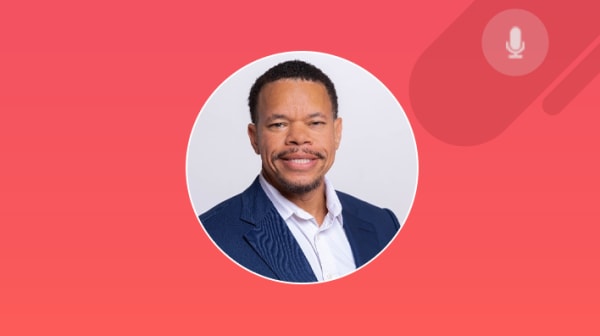
Chandra sekar is an engineer turned HR professional (sounds familiar?). He is a certified organizational development and change management professional. He has over 11 years of proven HR experience in industries like IT Services & Product, Agriculture and Automotive. His career purpose is to nurture a healthy workplace culture for people and business to thrive.
His areas of expertise include Org development & design, change management, HOGAN assessments, Behavioral Interviewing, Coaching/mentoring, Learning design, Rewards & recognition, HR business partnering and Group facilitation. He dabbles his hands in to hosting events and conversational interviews in the corporate world.
He enjoys reading about human psychology and spirituality, watching documentaries and thrillers, tripping to food joints and riding bikes.
Connect with him on LinkedIN.
Show Notes
(02:09) What is a monkey mind, and how does it affect the mental wellness of an employee in the workplace?
(04:39) How can employees effectively manage their "monkey mind" in the workplace to improve their mental health and overall well-being?
(11:56) What are some common challenges employees face with a monkey mind in the workplace, and what strategies can they use to overcome them?
(16:13) How can employers create a supportive work environment that addresses the mental health needs of employees with a monkey mind?
(25:12) Are there specific mindfulness techniques or practices that can help employees quiet their monkey mind and enhance their focus and productivity at work?
(29:03) What role does self-care play in managing the monkey mind in the workplace, and what practical self-care strategies can employees incorporate into their daily routine?
(31:17) Suggest some valuable tips to our listeners, and where can they find you?