
Communities and countries, and ultimately the world are only as strong as the health of their women. – Michelle Obama
In the early times, the air was fresh, people ate healthy and led active lives. But at present, the scenario is quite the opposite. Although women are seen in various fields now—working in corporates and leading the world, some stigmas are still prevalent.
As we see improvements in women's rights in modern times, we also see numerous diseases come into being. There have been various health issues concerning women, from ovarian cancer to polycystic ovary syndrome. The list is endless.
Women often discard issues like pain and discomfort as cramps or hormones. But what they do not understand is that those issues can be symptoms for some underlying disease. Therefore, even the smallest change in the body must be paid attention.
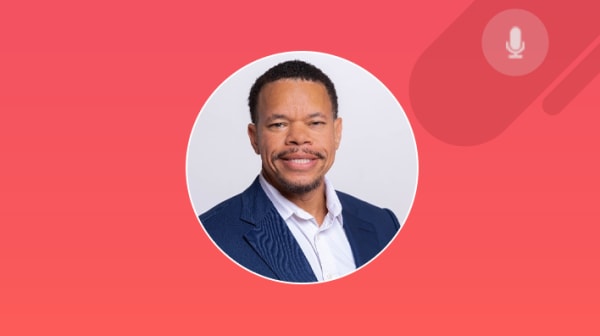
In this podcast, Michelle Smith discusses the rising health risks for women. She talks about how organizations should take the female workforce’s health into serious consideration.
Key Takeaways
- Women default to triage, not self-care. Michelle argues working women — especially caregivers and single mothers — put their own symptoms on hold until the problem is severe enough that life has to stop. The health cost is cumulative, not dramatic.
- The "multitasker" badge hides a real toll. Mom, wife, earner — Michelle names three systems that take the hit: mental health, physical health, and gut/digestive health. She puts digestive health on the same tier as the other two, arguing it has been sidelined by a pharmaceutical-first healthcare model.
- Social media is distorting the baseline for female health. Michelle separates "healthy" from "skinny" explicitly and says the mental perception gap — what women think they should look like vs. what is actually well — is itself a workplace mental-health issue, most acute for young women.
- People don't leave companies, they leave bad leadership. Her workplace test: are leaders setting the atmosphere women can grow inside, or running a "this is how it's always been done" shop? COVID, she says, proved companies that can't pivot lose their women first.
- On-site wellness only works if employees claim it. Michelle is blunt — a gym, a walking path, or a program is wasted if people default to a smoke break and social media. She pushes employees to block workouts on the calendar the same way they'd block a meeting with their boss: non-cancellable.
- Morning beats evening for working mothers. Her prescription: 30 minutes before the day hits, before kids, homework, dinner and commute compound. Waiting until after work is when physical-mental exhaustion has already won.
- The "why" has to be bigger than the scale. Michelle's mother started training at 59 to keep her catering job past 65. That, not a pant size or a reunion, is the motivation that survives hard seasons.
In Michelle's Words
On why working women's health slips
Women as caregivers will put our health and our needs to the side so that we can take care of others until we're so sick, our problem is so escalated, that we do have to put life on hold in order to take care of it.
Women are typically multitaskers because we're being the mom, the wife, and an income receptor. And that takes a toll on our mental health, our physical health, and our digestive health.
Our digestive health has gone to the wayside as pharmaceutical health takes the lead in our healthcare system.
On leadership and workplace culture
People don't leave the company. They leave bad leadership.
If anyone had learned anything out of COVID, it's a matter of being able to pivot when something obviously isn't working. Being very honest in the workplace about the expectations, but also aware of what behaviors are becoming okay and what behaviors they truly want to instill as the mission of the company.
On corporate wellness programs
The healthier you are, the less sick days, the less loss of time — not only in production for the company, but in your own life. Not everyone wants your job, and if you're not doing it, no one else is; it just piles up.
Companies do want their employees to invest in the wellness program if they offer it. Some offer crap. But when they have a gym there — go use it. Use the stairs every day. Get outside and walk instead of sitting on your social media or taking a smoke break.
On making the time
Set that appointment as your workout like you would a meeting with your boss, because you're not going to cancel on your boss. This is your 30 minutes a day to invest in your health.
I would much rather have someone invest in their health now and enjoy it than have to invest in it later when they don't get to.
Skinny does not mean healthy. That's the social media link, and it causes a lot of mental health issues, especially for our young girls.
About the Speaker
Michelle Smith is a teacher, mentor, and coach who has worked for 20+ years in healthcare and marketing. She is the founder of AmpedLife Global Wellness.
After working for so long, she walked away with a focus on better health and wellness for herself and her family and bringing that to others. As a wife, mother, and Labrador mom, she realized that there’s so much more to offer for the sake of others' Wellness.
Michelle now wakes up each day with a growing passion for teaching, mentoring and coaching all those around her, that when someone takes care of themselves first, they take care of everyone else around them at the same time.
From physical health and personal training to wellness coach for a safe home, strong immune system, and good health without having to be ingredient Nazi or breaking the bank and business coach those she is honored to collaborate with.
Connect with her on LinkedIn
Show Notes
(01:06) Tell me about your experience in wellness.
(04:12) What are some women’s health issues in the current world?
(06:11) What are the health problems faced by working women?
(07:28) Do the socio-cultural factors hamper women’s health in the workplace?
(09:43) Do you think the stigmas attached to women can be resolved?
(15:43) How can employers break those stigmas and secure workplaces for women?
(18:00) How to deal with the many health risks and diseases women face these days?
(24:40) We women are often ignorant about our own health. Is there a way around it?
(27:53) What is your opinion on corporate wellness programs?
(30:19) Would you like to share valuable suggestions with the listeners?
Recommended Resource: Women's Health at Work: How to Support it?