
Want to bring this to your team? Schedule a free Vantage Fit demo to see how mood tracking, guided meditations, and mindfulness minutes work alongside team challenges.
Can you define happiness? Yes, but how?
Depending on the individual and his state of mind, happiness can signify anything from tranquility to contentment.
The concept of happiness is arbitrary. Happiness may mean different things to each of us. In the work environment, the meaning of happiness can be narrowed down to when someone enjoys their work and has an optimistic attitude toward life. Workplace happiness could be that small gesture of appreciation from your boss. Or the satisfaction you experience when finishing a project before the due date.
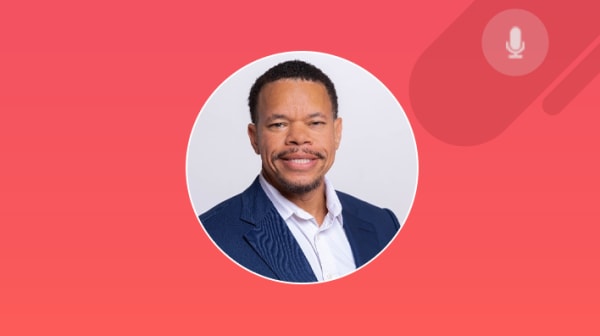
In this episode, Pamela Gail Johnson discusses happiness and, most significantly, the concept of practical happiness.
Key Takeaways
- Happiness is the management of zappers, not their absence. Pamela's core reframe: happiness does not arrive when stress, fear, chaos, and annoyances disappear. Those five "happiness zappers" show up every day. The skill is how you meet them, not whether you can eliminate them.
- Happiness is personal — and fluid within the same person. What made an employee happy at 27 won't fit at 37. What felt like happiness this morning (sleep) looks different tonight (connection). Pamela calls this fluidity the first principle of practical happiness and a direct challenge to one-size wellness programming.
- Workplace happiness is a micro-culture problem, not a macro-policy one. Pamela distinguishes macro-culture (salary, benefits, PTO — table stakes) from micro-culture, which each manager builds inside their team. Employees are connected to the micro, and that is where retention, loyalty, and engagement are actually won.
- Emotional trust breeds loyalty; one "thrown under the bus" moment ends it. Her prescription for managers: be the boss an employee can tell almost anything, and help them navigate it in a way that also works for the business. Lose that trust and the employee stops telling you anything, ever.
- Know each teammate's "why." Pamela names different profiles — the "steady Eddie" who just wants to do the job and go home, the upward climber, the rotation-seeker, the employee saving for a wedding or caretaking a sick parent. Effective leaders calibrate flexibility and growth paths to the actual why, not a standard template.
- Recognition, value, and meaningful challenge are the three happiness-at-work currencies. Pamela points at surveys where employees go weeks without hearing from their manager. Feeling valued, being validated, and receiving new challenges as current ones go stale are what converts a job into a source of happiness.
- Performative happiness makes you unhappier. Fake smiling for social media or the office, she argues, blocks the acknowledgement that makes real happiness zappers manageable. Acknowledge grief, estrangement, and unhappiness first — then manage them.
In Pamela's Words
On what happiness actually is
Happiness is not the absence of the unwanted. Happiness still happens despite those experiences.
Happiness is when we naturally feel good — and that's not just fun or high-vibration emotion. It's also peace, contentment, even relief when you finish a project.
Happiness is a verb because it's an action. It's something we have to decide we want and then take actions to notice when those moments are happening.
On workplace happiness
Most of the time, happiness at work comes down to whether somebody feels valued, whether they feel engaged, whether they feel their boss knows who they are. A lot of your happiness at work gets into the culture — and whether that culture makes people feel good to be there.
Every organization has a big macro culture — salary, benefits, vacation — and that needs to be in place. But every single leader creates their own micro culture. That is what employees are actually connected to.
On leading different people differently
Each team member has a different why. Some are working to pay the bills and go home to a happy family — and there's nothing wrong with that. Every organization needs the steady Eddie. Others want your job one day. Instead of treating them as competition, embrace them and help them grow.
The more flexible that micro-culture can be to an employee's needs while still working with the organisation's needs, the more leaders build the bridge. It's not the leader's perspective they're trying to make happy — it's each team member's.
On trust and loyalty
When people have emotional trust — when they feel minimally that their leader or their organisation has their back — it breeds loyalty. You naturally want to do a good job for that person.
If somebody feels they were thrown under the bus, they'll say: that's not making me feel good, and I'm never going to tell you anything ever again.
On real vs. performed happiness
Pretending to be happy if you're not does not help you. If you don't acknowledge the things that make you feel bad — stress, chaos, annoyance, fear — you can't manage them. They end up managing you.
A funeral is universally a sad event, yet people share nostalgic memories and smile. A wedding is a happy event, yet there's always some chaos. Nothing is ever 100% — it's always a combination of feelings. That's practical happiness, because it's realistic happiness.
About the Speaker
Happiness is personal. - Pamela Gail Johnson
Pamela Gail Johnson, Founder of the Society of Happy People, is a Practical Happiness Advocate who helps companies engage employees, increase retention, and boost wellness.
Pamela is the author of "Practical Happiness: Four Principles to Improve Your Life". These principles can help everyone feel happier by redefining happiness and controlling the circumstances that sap it.
Her Practical Happiness At Work programs use these same principles to assist businesses in developing happier micro- and macro-cultures.
Connect with her on LinkedIn.
Show Notes
(00:48) Tell us about your journey in the area of wellness.
(03:42) Is the term "practical happiness" the same as the happiness we often refer to?
(04:42) Are satisfaction and happiness synonyms of each other?
(05:45) What are the various aspects of practical happiness?
(08:50) Tell us about your book “Practical Happiness”. What drove you to write this book? What is the key message you want to convey in your book?
(11:40) What do you think makes work a factor of happiness for employees?
(16:26) How can employers help their employees experience practical happiness at work? Can they implement some corporate wellness programs centred around practical happiness?
(21:08) What are some common misconceptions people associate with happiness?
(26:50) Would you want to share more light on the topic of practical happiness?