
Social challenges in the workplace are interpersonal, behavioral, and structural barriers that prevent employees from working well together, communicating openly, and feeling psychologically safe at work. They include everything from interpersonal conflict and persistent gossip to discrimination, bullying, and performance issues rooted in team dysfunction, and they are more common than most organizations acknowledge.
Unlike operational challenges, social challenges are rooted in human behavior and group dynamics. Left unaddressed, they create a ripple effect: employee morale drops, productivity falls, and turnover rises.
When it comes to employee health and well-being, behavioral health is one of the most overlooked contributors to workplace success. A typical workplace depends on connection and communication, and when those break down, the consequences extend well beyond any single team.
Understanding Social Challenges In The Workplace
Social challenges are also related to an individual's behavioral health. Behavioral health is the connection between behaviors and the health and well-being of the body, mind, and spirit. This includes how behaviors like eating habits, drinking, or exercising impact an individual's physical or mental health.
Today's workforce needs to be agile and receptive to change; those who resist changing hold back the company's progress. The right attitude is crucial to a harmonious workplace that you want to address and snuff out inappropriate behaviors right away.
The modern workplace poses a wide variety of issues. According to WHO, the determinants of individual health includes the following factors:
- the social and economic environment; topics such as poverty, domestic violence, etc
- the physical environment; quality of air, health, and surroundings
- the person's characteristics and behaviors.
Also Read: 21 Ideas For Positive Thinking At Work
Social Challenges that affect Behavioral Health in the Workplace
Social challenges in the workplace can affect the behavioral health and success of employees. This includes race/ethnicity, gender and sex roles, immigration status and acculturation, poverty and deprivation, social networks, and social support.
Sometimes it affects the income distribution of an employee, social cohesion, social capital, and collective efficacy in the workplace.
1. Interpersonal Conflict
Interpersonal conflict is a conflict between two or more people in any setting; it may be at work or among friends. Unresolved disputes between peers may develop into hostility over time if left unaddressed. In the workplace, interpersonal conflicts are problematic.

But because conflict is inevitable, it's all the more important to deal with it adequately. There are few reasons to avoid interpersonal conflict at work;
- Communication becomes more streamlined and meaningful among team members
- It improves work performance, making you feel secure about your role and responsibilities.
- Help achieve better results, working with your team members without any hostility.
- Build a positive work environment where you'll feel appreciated, heard, and valued
- Lead you to grow as you identify ways to deal with people and solve problems
2.Communication Gap
Communication is the key. Although, some people are introverted and hesitant to express their ideas or feelings among their teammates. Effective communication requires all components interworking for shared meaning.
Open communication is essential in a stressed-out workplace. It improves employee involvement, shared goals, making communication more frequent and effective.

But, the expectation for meaningful communication sets the bar higher in workplaces. So, even in increased morale, employee-focused work environments, employees complain that they don't know what is going on.
Regardless of the personal issues keeping the door open for regular communication with teammates is necessary. Clear communication can often resolve issues.
Of course, encouraging open communication means taking action and speaking up when someone's performance is slipping. It is crucial to be fair, talk in private, and give the employee the tools they need to succeed.
3. Gossip
Gossip is common in most workplaces. They end up talking about the company, their coworkers, and their managers and taking up a partial truth by turning it into a whole speculative reality.

Gossip is often a life-long habit, and breaking it can take a great deal of effort. If employees are gossiping about each other, it can harm the workplace.
By using some coaching approach to help the employee improve his or her behavior might be helpful. Addressing the rumor mill should start with a serious talk between the employee and the manager or supervisor.
If discussion of the negative impacts of the employee's gossip does not affect subsequent behavior, begin the process of progressive discipline with a verbal warning, then a formal written.
4. Bullying and Harassment
Workplace bullying/harassment is a targeted behavior that is harmful that happens at work. It might be of any form spiteful, offensive, mocking, or intimidating.
It forms a pattern, and it tends to direct at people who don't fit the norm. Workplace harassment is also known as mobbing, workplace bullying, workplace mistreatment, workplace aggression, workplace molestation, and workplace abuse.

A bully can be in many ways like targeted, practical jokes, misled about work duties, incorrect deadlines, or unclear directions. While many companies have zero-tolerance bullying measures, there are often a few cases regarding such misdemeanors.
Taking steps to prevent workplace bullying can benefit organizations and the holistic well-being of their employees. Other forms may also include denial for leave requests, threats, humiliation, and other verbal abuse, excessive performance monitoring, and harsh or unjust criticism.
5. Employment Discrimination
Employment discrimination occurs when an employee or job candidate is differentiated based on age, gender, disability, genetic information, national origin, pregnancy, race or skin color, religion, or sexuality.

It also incorporates excluding potential employees during recruitment, denying certain employees compensation or benefits, paying equally qualified employees in the same position different salaries.
6. Performance Issues
Handling performance issues delicately is an art. Workplace performance issues and their possible root causes generally include:
- Low Productivity or Late Completion
- Poor quality of work
- Resistance to change
- Inappropriate behaviors
- Destructive interpersonal relations
- Adverse physical behaviors

It is vital to ensure that an individual has a clear idea about the job's requirements and expectations. Employees might be needing extra help in prioritizing assignments, honing their efficiency, and understanding the work better.
They might also be quitting job due to a lack of cooperation, experiencing disobedience, or outright hatred from their colleagues.
These performance issues often lead to termination but can also be corrected. Even a top working company can cause broad performance issues if they bully their coworkers, engage in passive-aggressive behavior, sabotage their peers' work, or generally hurt morale.
Everyone needs to be made aware of how their relationships with coworkers are impacting the team. Off-the-job drug or alcohol use may affect output during the workday. Depending on the type of work, it is inappropriate to eat, drink, or smoke cigarettes on the job.
Poor personal hygiene also can hurt performance in positions that rely on human connections, such as sales.
Ways to overcome these Challenges at Work
These are a few measures through which social challenges in a workplace can be avoided. Teams that invest in employee wellness programs that include social and community components consistently report higher cohesion and lower interpersonal conflict.
1. Dispel the stigma
The first step for leaders should be to dispel the stigmas around behavioral health issues and create a supportive work culture.
Everyone wants a vibrant, caring culture, and that's the trick to getting one. Empower peers to form the culture they want to be a part of, with their well-being and happiness at the heart of it.
2. Countering negativity
In the workplace is the most critical thing in the workplace. In the workplace, a toxic mentality will reduce morale and generate stressful situations.
It is true of the fact that negativity often stems from frustration. The more frustrations in the workplace, the more likely they are to become negative.
Read: Confronting Discrimination In The Workplace (For Leaders)
3. A pessimistic mindset
It can indeed nurture a hostile environment in the workplace. Some people expect the worst of situations. Pessimists relate to the "half-empty glass" rather than "half-fall glass," focusing on the negatives rather than the positives of any situation.
Such an attitude in the workplace can create lousy work habits that can affect other coworkers.
So, keep up with intellectual wellness at work.
An individual can suffer from health hazards related to their negative attitude.
4. Styles of communication
Navigating different communication styles and the prioritization of communication in the office. Lack of effective communication hinders efficiency and can also impact the trust amongst each other and management.
Although, communication covers an array of office obstacles. The different communication styles and the prioritization of communication in the office are a challenge to many employees.
It can hinder a team's efficiency and impact employees' trust level amongst each other and with management. After all, communication is one of the most powerful tools.
Reading is one of the best solutions to improve your communication skills.
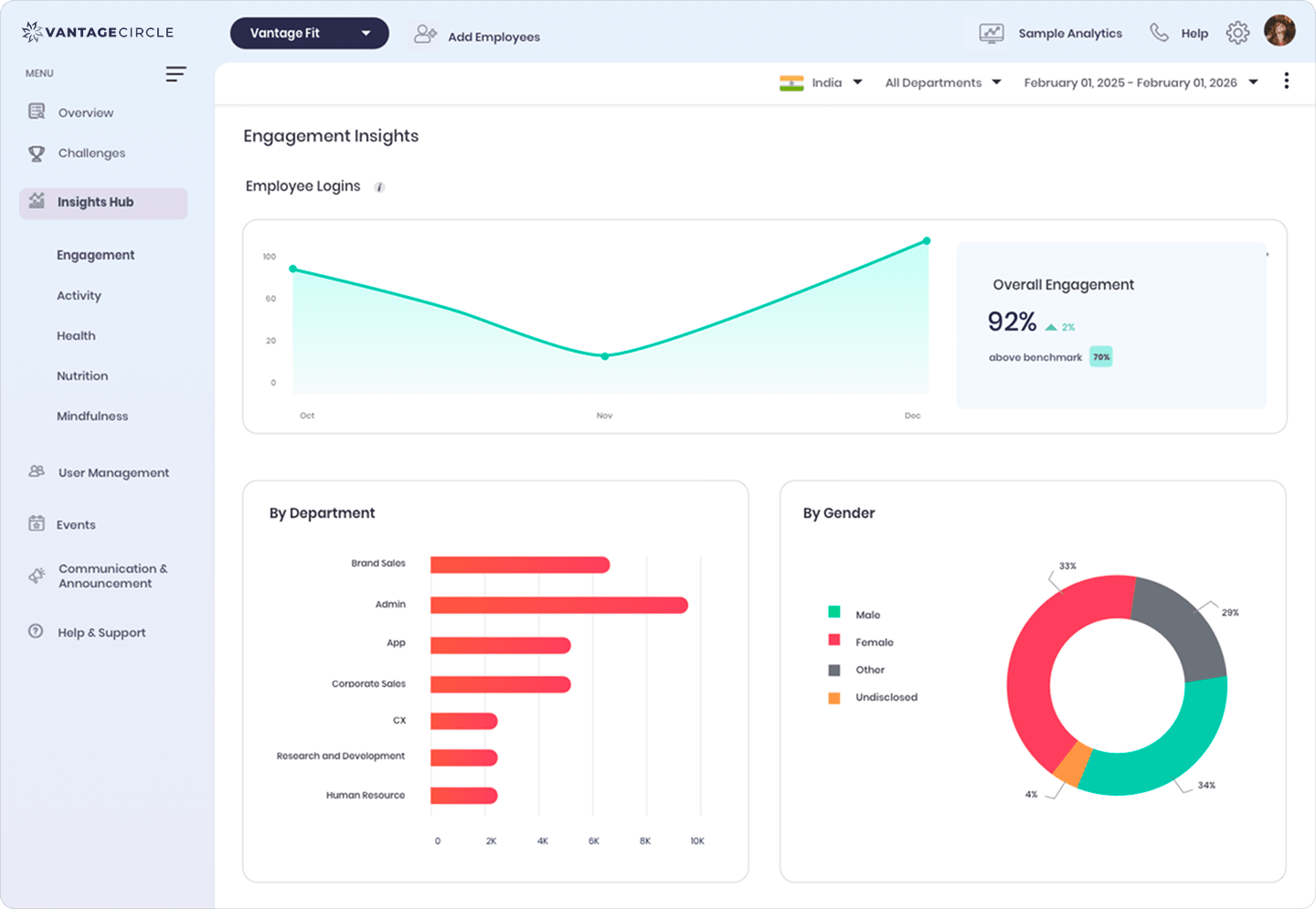
IBS Software's 28-day March to Fitness challenge saw 88% engagement, with the social leaderboard and team-based activities driving sustained participation throughout the full 4 weeks. Platforms like Vantage Fit support this with a Social Feed, 10+ Challenge Types, Focused Chat Rooms, and Wellness Leagues that teams can join across departments and locations.
5.Psychological safety
Increasing team psychological safety is like improving the quality of the relationship with the teammates. It has a significant impact on the bottom line, performance, engagement, and innovation.
If your remote team has not been innovating lately or has reduced collaboration and interaction during virtual meetings, a psychological safety issue arises. Hence, companies need to start thinking about developing a culture based on employees' strengths rather than weaknesses.
6. Behavioral healthcare services
Introducing behavioral healthcare services in the workplace will help employees fight depression and bipolar disorder, anxiety, toxic substance abuse, anger issues, and fear issues.
By offering proper behavioral healthcare along with physical healthcare services will help employees eliminate problems with reduced healthcare costs.
Good behavioral health care can help fight social challenges. It will also look into the aspect of mental health of an employee.
7. Coaching
Through one-on-one coaching sessions for all employees, continuous feedback, gratitude sharing sessions, and opting for the right communication tools and wellness-related challenges will help increase psychological safety. Besides, value and support diverse opinions for the employees.
It is important to keep the employees engaged and motivated. Engaged employees are those who are most involved, excited, and committed to their jobs.
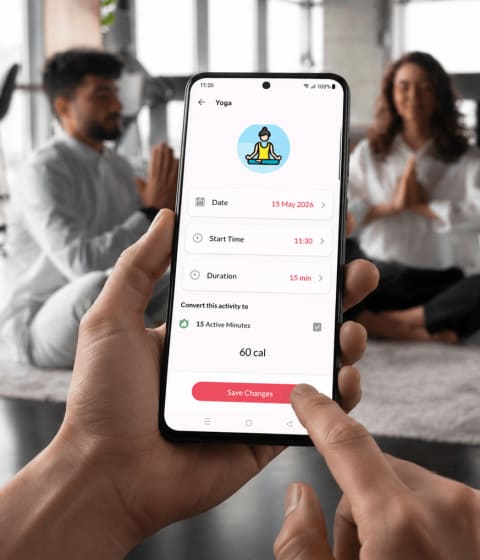
Shared wellness experiences are one of the most effective ways to build that engagement while directly addressing social challenges. Platforms like Vantage Fit offer 10+ challenge types (team step challenges, multi-activity campaigns, streak challenges) that create natural opportunities for colleagues to connect and collaborate. The Social Feed lets employees share workout milestones, cheer each other on, and build the kind of camaraderie that formal onboarding rarely achieves. At ISKL, 95% of employees participated in a Vantage Fit challenge, and the outcome went beyond fitness:
"Colleagues also developed friendships because of the camaraderie of the Vantage Fit teams."
— ISKL (International School Kuala Lumpur)
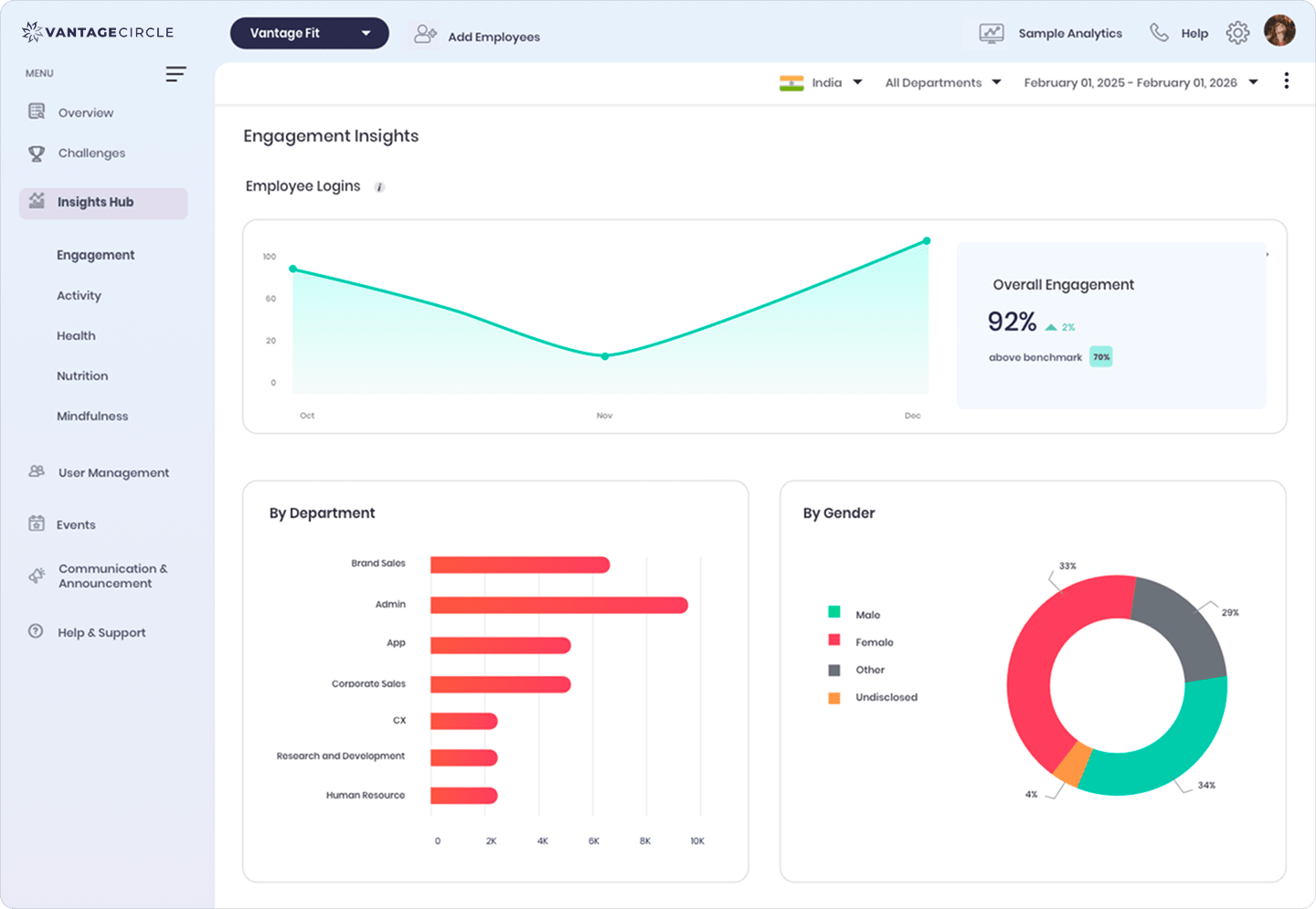
A higher level of engagement among staff impacts a business' innovation, productivity, and profitability, making this a priority for most leaders. The lack of engagement in work results in lower performance and higher turnover.
Richard Boyatzis, Melvin Smith, and Ellen Van Oosten, published in the book "Helping People Change," focuses on strengths that trigger hormones that stimulate people to be more creative, positive, and engaged, enabling them to grow and change.
Also Read: 13 Mindfulness Exercises to Improve Employee Well-being at Work
Conclusion
Workplaces that invest in addressing social challenges create the conditions for sustainable performance. Agile, inclusive cultures are not built by policy alone; they require continuous attention to how employees interact, communicate, and support one another.
Social challenges are not an HR box to check. They are a daily reality that shapes how your workforce shows up, and addressing them is one of the most direct levers for improving both employee wellbeing and business outcomes.
Employees need a positive platform to overcome social challenges. Fitness challenges and social wellness programs are among the most effective tools for keeping teams active, connected, and engaged.
Thus, well-being is a tangible concept rather than an abstract. Employees' well-being must be holistic in approach, encompassing physical, mental, emotional, and social dimensions. A good starting point is exploring structured social wellness activities that build real connection, not just mandatory fun.
Frequently Asked Questions
What are social challenges in the workplace?
Social challenges in the workplace are interpersonal, behavioral, and structural barriers that prevent employees from building healthy working relationships, communicating effectively, and feeling psychologically safe. Common examples include interpersonal conflict, communication gaps, workplace gossip, bullying, employment discrimination, and performance issues rooted in team dysfunction.
What are examples of social challenges at work?
Examples include unresolved conflict between colleagues, communication breakdowns that stall collaboration, gossip that erodes trust, bullying or harassment that creates a hostile environment, discrimination based on age, gender, or race, and performance struggles caused by poor team dynamics rather than individual skill gaps.
How do social challenges affect employee wellbeing?
Social challenges directly impact behavioral health, specifically the connection between how employees interact and their overall physical and mental wellbeing. Persistent interpersonal conflict and hostile dynamics increase stress, raise absenteeism, reduce engagement, and accelerate burnout. Organizations that fail to address these challenges consistently see higher voluntary turnover and lower productivity across teams.
How can HR teams reduce social challenges in the workplace?
HR teams can reduce social challenges by treating behavioral health as a priority: dispelling stigma, offering behavioral healthcare services, training managers in constructive communication, and using structured wellness programs that build social connection. Team-based fitness challenges, social wellness activities, and regular coaching sessions all help replace toxic dynamics with trust-based relationships.