
Introduction
2026 has reshaped fitness tech. With Google retiring Google Fit in favor of the new Google Health app, AI assistants built into smartwatches, and major hardware shifts, last year’s advice no longer applies. The best choice today depends entirely on your goal:
- For Android: Samsung Health is the most robust free, standalone tool.
- For iPhone: Apple’s built-in Fitness app tracks your steps out of the box.
- For top accuracy: Wearables like the Apple Watch Series 11 or Fitbit Charge 6 are unmatched.
- For workplaces: Vantage Fit is a corporate wellness platform that turns employees’ daily steps into automated team challenges and rewards for companies with 500 to 10,000-plus employees.
This guide reviews the 12 best step counter apps and trackers for 2026, broken down by category: dedicated wearables, corporate HR tools, and free phone apps, so you can confidently pick the right fit for your routine or your company.
The Best Step Counter Apps and Trackers in 2026, at a Glance
Here is how the 12 best step counter apps and trackers compare, with the category, what each offers, platform support, and price. Tap any name to jump to its full review.
| App / Tracker | Description | Platforms | Base Price |
|---|---|---|---|
| Apple Watch Series 11 (Wearable) | Premium iPhone smartwatch with highly accurate step, workout, and ECG tracking. | iOS only | $399.00 |
| Samsung Galaxy Watch8 (Wearable) | Feature-packed Android smartwatch with accurate health tracking, longer battery life, and AI-driven wellness tips. | Android only | $349.99 |
| Fitbit Charge 6 (Wearable) | Comprehensive fitness tracker offering built-in GPS, heart rate monitoring, and personalized exercise tracking. | iOS, Android | $159.95 |
| Fitbit Inspire 3 (Wearable) | Lightweight, affordable fitness tracker with heart rate monitoring, sleep tracking, and activity reminders. | iOS, Android | $99.95 |
| Vantage Fit (Workplace) | Employee step counter with company-wide challenges, rewards, and HR analytics; our pick for workplace wellness. | iOS, Android, Web | From $250 / challenge |
| Pacer for Teams (Workplace) | Step counter app built around team step challenges, best for workplaces and group walking programs. | iOS, Android, Web | ~$454/mo (100 participants) |
| Samsung Health (Free Phone App) | Free step counter for Android and iOS that counts steps with the built-in sensor and adds group and global challenges; our top free Android pick. | Android, iOS | Free |
| Apple Fitness (Free Phone App) | Free, built-in step counting on every iPhone through the Health and Fitness apps, with no extra app to install. | iOS, Apple Watch | Free |
| Fitbit (Free Phone App) | Free step tracking app on Android and iOS, plus a wearable ecosystem for deeper health insights. | iOS, Android | Free (Premium optional) |
| Charity Miles (Free Phone App) | Free fitness app that turns your steps and workouts into charitable donations. | iOS, Android | Free |
| MapMyWalk (Free Phone App) | Free GPS-powered walking app that tracks routes, distance, and calories. | iOS, Android | Free (Premium optional) |
| Google Fit (Free Phone App) | Free Android activity app, now being phased out in favor of Google Health (Samsung Health is the better free pick today). | Android, iOS | Free |
What is a Step Tracker?
A step tracker or pedometer is a digital tool that calculates your walking distance and step count over a given period. These apps and devices record your steps per day and store the data for ongoing monitoring, making them one of the most accessible technological wellness tools available.
How Do Step Trackers Work?
To understand the mechanism, it helps to know how a pedometer detects a step. When we walk, the body tilts slightly to the side with each stride, creating a pendulum-like motion. Each tilt of the hip is counted as a step.
Early mechanical step trackers worked like pendulum clocks, counting each tilt as a step. Later, electronic pedometers adopted the same technique in digital form. Today, smartphone apps and wearables combine motion sensors (an accelerometer) with GPS to count steps and estimate walking and running distance.
How Accurate are Step Trackers?
The measurements of step trackers are only an approximation, so no, they are not 100% accurate. Some false body movements can get counted as steps when they are not. Accuracy varies by device, with wrist-worn wearables generally more accurate than phone-only apps, but for tracking daily activity and trends the margin is small enough to be reliable.
10,000 steps is roughly 5 miles (about 8 km). It’s a popular default daily goal, but the right target depends on your fitness level, so start where you are and increase it gradually. Most trackers also count jogging and running, not just walking.
Best Wearable Step Trackers (for Accuracy & Athletes)

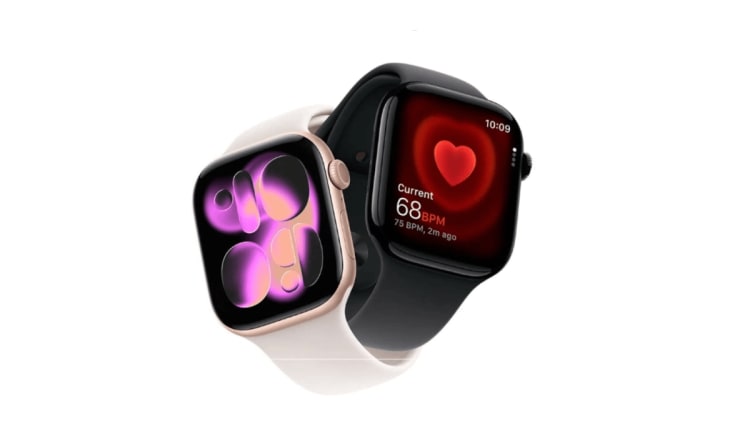
Apple Watch Series 11
The Apple Watch Series 11 is Apple’s latest flagship smartwatch and one of the most accurate consumer step counters available. Alongside steps, workouts, and heart rate, it adds longer battery life (up to 24 hours), 5G connectivity, hypertension notifications, and sleep apnea alerts. It pairs only with an iPhone.
Recommended for: iPhone users who want the most accurate consumer step and health tracking in a premium smartwatch.
Android App
No
iOS App
Yes
Web-Based Portal
No
Advanced heart health monitoring (ECG, blood oxygen)
Hypertension notifications and sleep apnea alerts
GPS and accurate step/workout tracking
Up to 24-hour battery life and 5G connectivity
Fall and crash detection with emergency SOS
Seamless integration with iPhone and Apple Fitness
Apple ecosystem users
Health-conscious individuals
Starts at
$399 (GPS, aluminum)

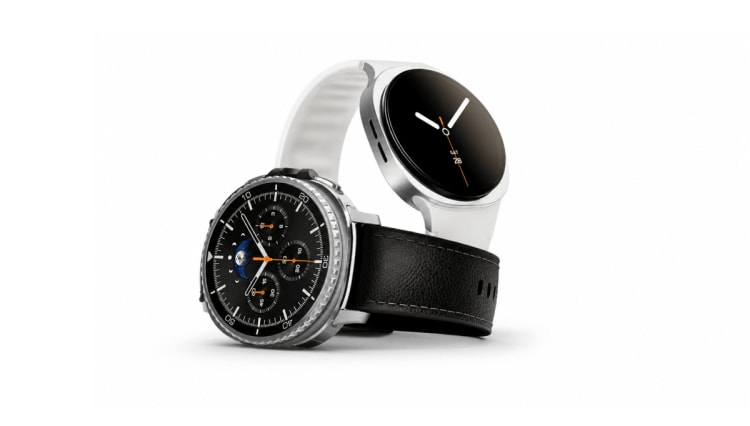
Samsung Galaxy Watch8
The Samsung Galaxy Watch8 is Samsung’s latest smartwatch, with a slimmer cushion design, a brighter 3,000-nit display, and Wear OS 6 (One UI 8 Watch) with Google Gemini built in. Its BioActive sensor powers accurate step, heart rate, ECG, and body-composition tracking, and it works best paired with an Android phone.
Recommended for: Android users who want a versatile fitness and wellness smartwatch with advanced AI health features.
Android App
Yes
iOS App
No (Android pairing only)
Web-Based Portal
No dedicated web interface, but connected apps are available.
AI wellness tips and Energy Score
Running Coach and Vascular Load tracking
Antioxidant Index and Bedtime Guidance
ECG, heart rate, and sleep monitoring
Up to ~40-hour battery, LTE and Bluetooth versions
Dual-frequency GPS
Fitness professionals
Athletes
Tech enthusiasts
Starts at
$349.99 (40mm)

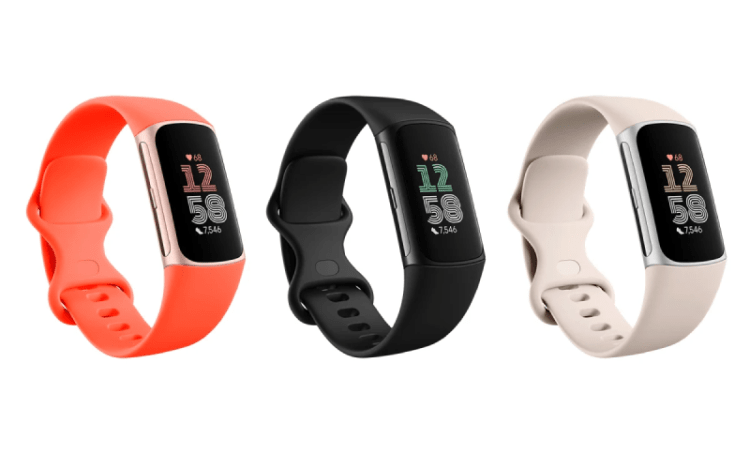
Fitbit Charge 6
Fitbit Charge 6 is the latest in Fitbit’s line of health and fitness trackers, focusing on activity tracking, heart health, and stress management. With built-in GPS and comprehensive health tracking, it suits active users.
Recommended for: Individuals and medium-sized companies.
Android App
Yes
iOS App
Yes
Web-Based Portal
No
Built-in GPS
Stress management tools
24/7 heart rate monitoring
Sleep tracking
Workout intensity maps
Google Pay integration
Fitbit users
Fitness-conscious individuals
Starts at
$159.95
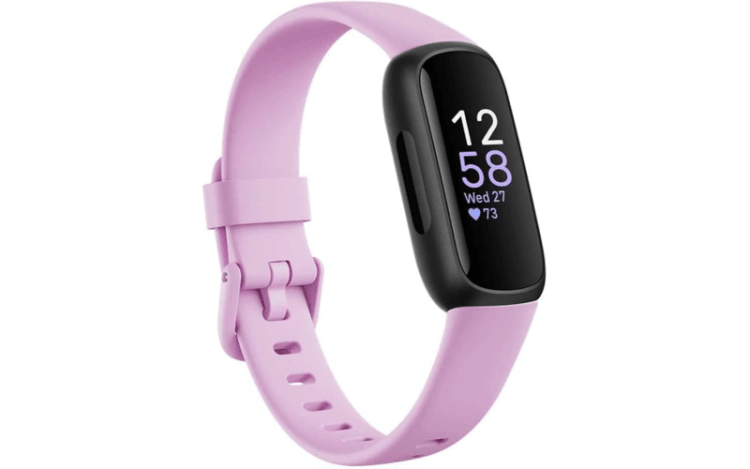
Fitbit Inspire 3
Fitbit Inspire 3 is a sleek and lightweight fitness tracker designed to help users maintain a healthy lifestyle through activity, sleep, and heart rate tracking. It is ideal for beginners or those looking for an affordable, easy-to-use device for health monitoring.
Recommended for: Individuals of all ages looking for a basic, affordable fitness tracker with essential health features.
Android App
Yes
iOS App
Yes
Web-Based Portal
Yes
24/7 heart rate monitoring
Stress management score with guided breathing sessions
Sleep tracking with Sleep Score and stages
Up to 10 days of battery life
Water-resistant up to 50 meters
Active Zone Minutes for personalized fitness goals
Casual fitness enthusiasts
First-time step tracker users
Starts at
$99.95
Best Step Trackers for Workplace Teams (for HR Managers)

Vantage Fit
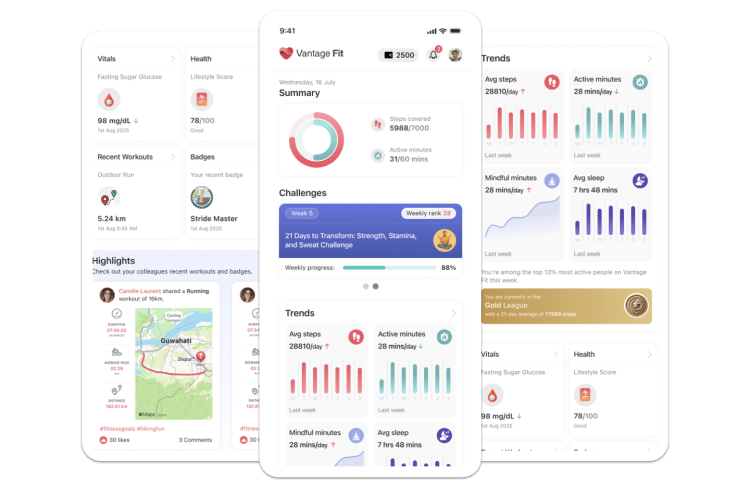
Vantage Fit is our in-house employee wellness platform, built for tracking steps as part of a workplace program rather than just for individuals. It’s a free download on the Google Play Store and Apple App Store, and it’s also available as a full web app, so employees can join challenges and view their programs, trends, and wellness score right in a browser, with no download required. To count steps automatically, employees use the phone app or a connected wearable. At its core is a built-in step counter, plus a calorie counter, heart rate monitor, mood-o-meter, health challenges, and rewards.
What sets it apart from a personal pedometer app is the team layer: employees join a company-wide corporate step challenge, complete health tasks, and earn redeemable gift cards, which keeps engagement high and makes wellness measurable for HR teams. For organizations, that means higher productivity, lower healthcare costs, and a healthier, more connected workforce.
Results from real teams:
- JF Petroleum Group reached an 81% engagement rate, with multi-activity participation growing from 38% to 65%.
- IBS Software recorded an 88% engagement rate, 17 percentage points above benchmark.
- At Brazosport ISD, average employee BMI improved from 30 to about 27 over a wellness challenge.
Recommended for: HR teams and employers running company-wide step challenges and measurable wellness programs.
Android App
Yes
iOS App
Yes
Web-Based Portal
Yes
Built-in step counter, calorie counter, and heart rate monitor
Company-wide step challenges and leaderboards
Wellness Leagues (always-on 21-day rolling engagement)
Redeemable rewards and brand-name gift cards (Vantage Points)
Wearable sync (Fitbit, Apple Health, Garmin, Google Fit)
Free to download on Android and iOS
Tata Motors
Wipro
IBS Software
JF Petroleum Group
Starts at
$250 (25 employees, 4-week challenge)
Plans
Single challenge or unlimited annual
Pricing
Scales by employee count with volume discounts
Pacer for Teams
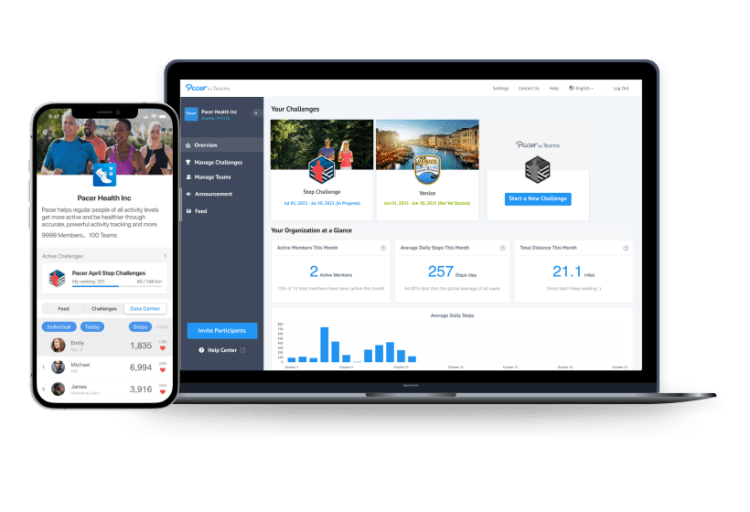
Pacer is a step challenge app predominantly designed for teams and employees. It allows customized virtual challenges, virtual races, and map-based challenges. The platform also enables the creation of challenges based on distance.
The app can be integrated with various fitness trackers for progress tracking. Pacer offers multilingual support and one-time payment options. While Pacer’s user interface may seem complicated, it remains a valuable tool for teams interested in step challenges and employee wellness.
Recommended for: Perfect for team step challenges and fitness tracking with a simple and user-friendly interface.
Android App
Yes (4.3/5)
iOS App
Yes (4.9/5)
Web-Based Portal
Yes
Virtual Adventure
VIP Customer Support on Subscription
Social Engagement and Motivation
Integrations
Daily Step Goal Challenge
Wellness Challenge
Microsoft
Amazon
KPMG
Johnson & Johnson
Salesforce
Pricing
Monthly, based on total participants
Example
~$454/month for 100 participants
1,000+ participants
Contact sales
Best Free Step Counter Apps (for Casual Walkers)
Samsung Health
Apple Fitness
Fitbit
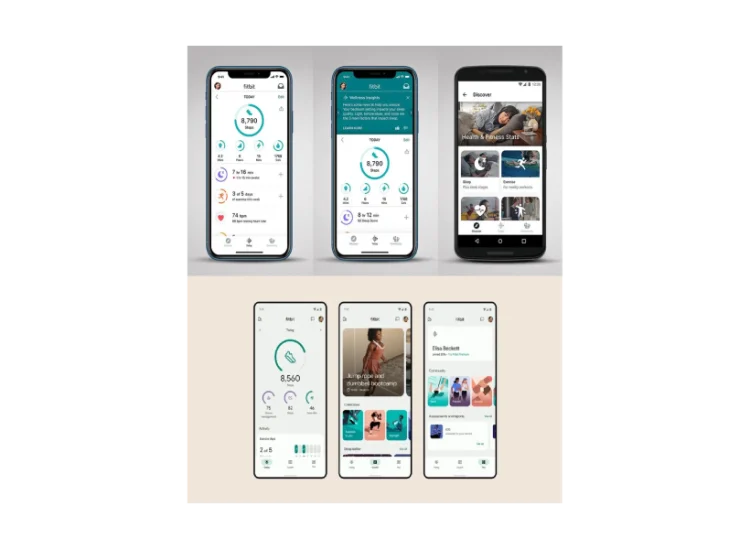
The Fitbit app is a flexible and user-friendly application. It can track calories burned, monitor heart rate, and count steps and distance traveled. The app tracks your steps using the motion sensor on your phone.
Using the Track Exercise feature, you can monitor speed and distance if you own a Fitbit tracker. With Fitbit, you can choose from Walk, Run, or Hike options.
Recommended for: Everyone under the sun as it is known for comprehensive health tracking, including steps, sleep, heart rate, and more, with community features.
Android App
Yes (4.2/5)
iOS App
Yes (4.5/5)
Web-Based Portal
Yes
Flexible and user-friendly application
Pre-built and community-based challenges
Tracks calories burnt, monitors heart rate, and counts steps
Offers seamless integrations
Barclays
SAP
Target
New York Life
App
Free
Premium
Optional subscription

Empower by CharityMiles
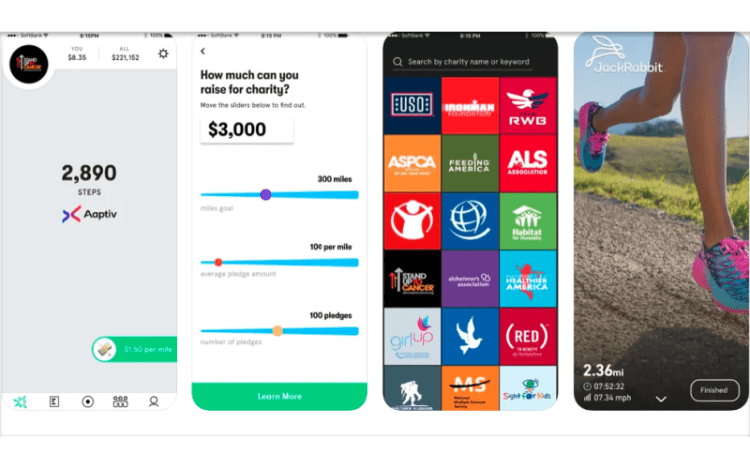
Empower by CharityMiles counts the miles walked or run and raises money, converting them into donations from corporate sponsors. It inspires individuals and teams to participate in charity walks and runs, allowing you to track activity for steps, distance, and calories burned. The app works with fitness trackers like Fitbit and Garmin, so you don’t have to enter your information manually each time.
The software lets you join a company group to track and pick a charity from over 40 organizations, including the ASPCA, Habitat for Humanity, Feeding America, The Nature Conservancy, and The Michael J. Fox Foundation for Parkinson’s Research.
Recommended for: All people, as it combines fitness tracking with charitable donations, motivating users to exercise for a cause.
Android App
Yes (3.4/5)
iOS App
Yes (4.8/5)
Web-Based Portal
Yes
Raises Money for Charity
Individual Progress Tracking
Personal Goal Setting
Activity Tracking
Compatible with Fitness Trackers like Fitbit and Garmin
Boosts Employee Engagement
J.P. Morgan
Johnson & Johnson
Brooks Running
Pricing Plans
Available for free

MapMyWalk
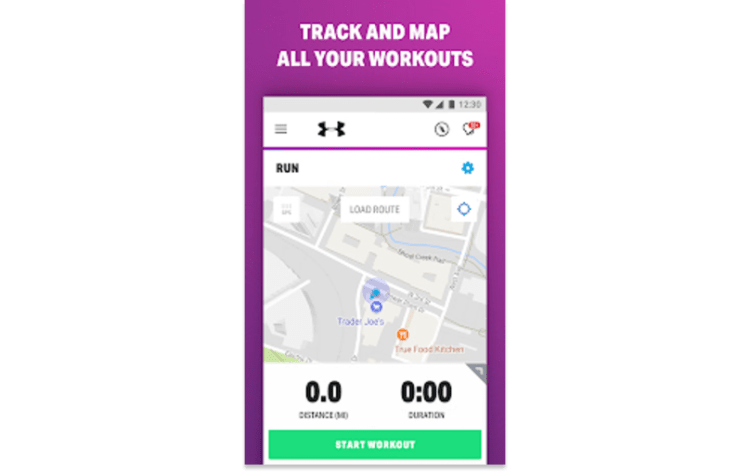
MapMyWalk is a GPS-based fitness and step tracking app by Under Armour designed to help users track walking routes, distance, and fitness progress. It offers real-time stats and insights, making it a great tool for walkers and runners.
Recommended for: Individuals and small teams.
Android App
Yes (4.8/5)
iOS App
Yes (4.8/5)
Web-Based Portal
Yes
Route tracking via GPS
Customized audio feedback
Integration with Under Armour connected shoes
Social sharing and challenges
Personalized workout plans
Sync with wearables
Fitness enthusiasts
Under Armour users
Plan
Available for free
Premium
Starts at $5.99/month

Google Fit
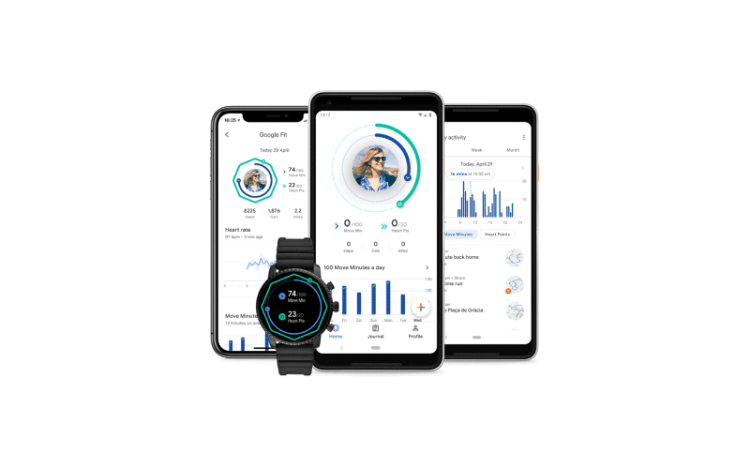
Google Fit is a free fitness-tracking app from Google that records steps, heart rate, sleep, and workouts, and integrates with other fitness apps and wearables.
Important 2026 update: Google announced that Google Fit is being retired in favor of the new Google Health app (the Fitbit app is becoming Google Health), with the Fit APIs supported only through the end of 2026. Existing data can be migrated, but if you’re choosing a new free step counter app for Android today, Samsung Health is the more future-proof pick.
Recommended for: Existing Android users tracking basic activity, though new users should consider Samsung Health or Google Health (see note below).
Android App
Yes (4.1/5)
iOS App
Yes (4.2/5)
Web-Based Portal
Yes
Heart Points & Move Minutes metrics
Integration with multiple fitness apps (e.g., MyFitnessPal, Strava)
Real-time tracking of workouts
Custom goals and insights
Sleep tracking
Sync with Android Wear devices
Google ecosystem users
Fitness enthusiasts
Plan
Available for free
Which Step Counter Apps Are Most Accurate?
Accuracy depends mostly on the sensor doing the counting. As a rule of thumb, a wrist-worn wearable is more accurate than a phone-only app, because your phone isn’t always on you when you move. If accuracy is your top priority, the most reliable options on this list are:
- Apple Watch Series 11: among the most accurate consumer step counters thanks to its wrist-based motion sensors and GPS (iPhone only).
- Fitbit Charge 6 and Fitbit Inspire 3: dedicated trackers worn 24/7, so they capture steps your phone misses.
- Samsung Health: one of the most accurate free, phone-based step counter apps for everyday Android users.
For the best accuracy from a phone app, keep the device on you while walking and grant it motion and location permissions so it can combine sensor data with GPS.
Best Step Counter App for Android and iPhone
The best step counter app often comes down to your phone. On Android, Samsung Health is the strongest free pick, available to all Android users (not just Samsung phones); it counts steps via the built-in sensor and adds group and global challenges.
Google Fit still works but is being phased out in favor of Google Health, and if your company uses Vantage Fit, here’s how to sync your steps on Android.
On iPhone, Apple’s built-in Fitness and Health apps count steps for free out of the box, and the Apple Watch is the most accurate option. Fitbit and Pacer are strong cross-platform choices that work on both Android and iOS; for team options, see our roundup of the best step challenge apps.
Advantages of a Step Tracker
For Individuals
- Encourages a Healthy Lifestyle: Keeps walking goals top-of-mind and easy to act on every day.
- Promotes Weight Loss & Mental Clarity: Regular walking reduces the risk of chronic disease and helps minimize daily stress and anxiety.
For Workplaces
- Improves Employee Wellness: Helps HR monitor physical activity and actively lower absenteeism.
- Fosters Community: Built-in social and challenge features let teams share progress and build a healthier corporate culture.
FAQs
Q. What is the best step counter app?
A: It depends on your phone. Samsung Health is the best free pick for Android, Apple's Fitness app for iPhone, and Fitbit or Pacer cross-platform. For workplace step challenges, Vantage Fit pairs a built-in step counter with team challenges and rewards.
Q. Which step counter app is the most accurate?
A: Wrist-worn wearables like the Apple Watch Series 11 and Fitbit Charge 6 are most accurate because they stay on your body. Among free phone apps, Samsung Health is one of the most accurate on Android, though phone apps vary more.
Q. Is there a free step counter app for Android and iPhone?
A: Yes. Samsung Health is free on Android, Apple's Fitness app is free on iPhone, and Fitbit, MapMyWalk, and Charity Miles offer free tiers on both. Vantage Fit is also free to download for personal use.
Q. Do I need a wearable tracker, or is a free phone app enough?
A: For a daily step count, a free phone app like Samsung Health or Apple's Fitness app is enough. Choose a wearable like the Apple Watch Series 11 or Fitbit Charge 6 for higher accuracy and all-day heart-rate and sleep tracking.
Q. How accurate are step trackers?
A: Step trackers are precise but not 100% accurate. Counts vary by device, with wrist-worn wearables generally more accurate than phone-only apps. For tracking daily activity and trends, the margin is small enough to be reliable.