
Employee burnout has been one of the top issues in the modern workforce.
As recognized by the World Health Organization in 2019, burnout is "a form of chronic workplace stress that has not been successfully managed." With the COVID-19 outbreak, this stress has extended into homes, affecting remote workers significantly. Almost 62% of employed Americans were working outside the office.
The COVID-19 pandemic created a surge in work-from-home scenarios, but for some workers, it has blurred the lines between professional and personal responsibilities, leading to work-from-home burnout.
As an employer, you may think it'll empower your employees with an outstanding work-life balance. However, working remotely from home may be more complex for your employees, and the risk of burnout still prevails.
Approximately 69% of remote employees say they've experienced at least some symptoms of remote work burnout.
You might wonder why employees experience burnout even after working from home.
Here are some tips on mitigating risk factors and doing remote work for your team.
What Is Work-from-home Burnout?
Work-from-home burnout is a specific type of burnout experienced by remote employees. It's caused by prolonged stress and exhaustion due to factors unique to the remote work environment.
Burnout, in a general sense, is a state of emotional, physical, and mental exhaustion caused by prolonged or excessive stress. Three core factors characterize it:
A feeling of exhaustion refers to being emotionally and physically drained. Even small tasks may overwhelm you due to constant fatigue, and lack of motivation.
Cynicism: You may lose interest in your job, become critical of colleagues, and feel negativity towards your work.
Reduced Efficacy is a diminished sense of accomplishment and a lack of belief in your ability to complete your job effectively. As a result, you might doubt your skills, have difficulty concentrating, and see a decline in the quality of your work.
But how does this translate to the work-from-home environment? Here's where the specific challenges of remote work can exacerbate burnout:
The blurring of boundaries is a common problem for people who work from home. Working constantly can lead to longer hours, difficulty switching off, and a feeling of being "always on."
Loneliness and isolation can arise from a lack of social interaction and physical separation from colleagues. Lack of social connection can negatively impact mental well-being and lead to feelings of detachment.
The absence of a clear structure in an office environment may make it difficult for some individuals to establish a consistent work routine. Ultimately, this can result in procrastination, missed deadlines, and a sense of inefficiency.
All these factors contribute to a vicious cycle. It is exhausting to blur the lines between work and personal life. The lack of structure and isolation fuel cynicism, ultimately leading to burnout.
Remote Work Burnout vs. Office Burnout: What's Different?
Burnout affects both remote and in-office employees, but the underlying causes often differ. Recognizing those differences helps HR teams choose interventions that target the real source of stress instead of applying a one-size-fits-all solution.
| Factor | Office Burnout | Remote Work Burnout |
|---|---|---|
| Primary trigger | Workload overload, difficult colleagues, commute stress | Boundary blur, isolation, always-on culture |
| Visibility to managers | Higher — physical proximity makes fatigue easier to spot | Lower — video calls mask emotional state |
| Social buffer | Natural in-office interaction provides daily relief | Deliberate effort required; isolation compounds stress |
| Recovery signal | Physical separation from the workspace after hours | Hard to "leave" work when home is the office |
| Common symptom | Resentment toward colleagues or workplace | Loneliness, detachment, inability to disconnect |
| Intervention that works | Workload audits, team culture changes, commute relief | Structured off-hours policies, virtual community, wellness programs |
Recognizing which type of burnout your employees are experiencing determines which intervention is most effective. Physical office culture changes will not solve what is fundamentally an isolation and boundary problem for remote workers.
Why Is Work-from-home Burnout On The Rise?
According to a recent survey, 69% of employees were experiencing work-from-home burnout.
Compared to a similar survey conducted in early May, that's an increase of almost 20%.
Again, before the pandemic, remote work was a flexible option, allowing occasional work-from-home or catering to specific needs. Face-to-face interaction through meetings, office time, or client visits remained the norm. The pandemic flipped the switch, making remote work mandatory.
As soon as the pandemic hit, burnout and working from home became synonymous. In a survey on burnout, 29% of remote workers responded "yes”, when asked if they have experienced burnout.
But Why The Sudden Shift?
The pandemic transformed work-from-home from an occasional perk to a sudden reality. Gone were the face-to-face interactions, replaced by the starkness of zoom calls and isolation. This shift collided head-on with employees' natural desires for social connection, leaving many struggling with loneliness.
On top of this social disconnect, most employees were forced to adapt to new work environments, unfamiliar software, and potentially reduced support systems. Juggling work with family life, childcare, and maintaining productivity under these circumstances became a recipe for stress.
It wasn't just the pandemic that caused stress. Worldwide, there are constant concerns about health, political unrest, and financial uncertainty. Job insecurities added further pressure to an already overburdened situation.
According to a 2020 Eagle Hill survey, unrealistic employer expectations majorly contributed to work-from-home burnout. 47% said that workload was the leading cause, and 30% cited deadlines and time pressures.
A Vantage Fit podcast guest who led a distributed workforce through the pandemic shift, described the mechanism clearly:
"It's a negative cycle. Work stress leads to low engagement, and if you're not engaged, you're more stressed. The consequence of that cycle is burnout — when you get frozen and can't solve anything."
— Tatiana Cirio, VP of People, Rocket.Chat | Listen to the full episode
Why Work from Home Burnout Should Be on Your Radar?
While employee well-being is paramount, preventing burnout goes beyond moral obligation. Burnout is one of the clearest signals that an employee wellness and stress management strategy is overdue. Here's why keeping an eye on it is crucial for any organization:
Lack of job satisfaction and increased turnover: Studies show burnt-out employees are 2.6 times more likely to seek new jobs actively. In 2021 alone, 19 million workers quit! Retaining and recruiting new employees can cost the organization a lot. It can cost up to twice an employee's annual salary.
Reduced productivity: Even if employees stay, burnout can cripple productivity. Studies show burnt-out workers are less engaged and call in sick more often.
Addressing work-from-home burnout benefits everyone. Reduced turnover saves money, and a happier, healthier workforce leads to increased productivity. It's a win-win for businesses and employees alike.
10 Ways To Prevent Work From Home Burnout
The following are 10 strategies and practices you can use to reduce work from home burnout :-
1. Re-engage Your Remote Workers.

Working from home offers flexibility but can also lead to feelings of isolation and disconnection. Here's how to reignite the spark and boost engagement with your remote team:
Face-to-Face, Not Just Face-to-Screen: Go beyond email and prioritize video calls. Seeing each other, even virtually, fosters connection and builds stronger relationships.
The Power of Positive Communication: Pay attention to your communication style! Supportive and encouraging messages can boost morale.
Equip Your Team for Success: Provide your remote employees with the tools and resources to thrive.
Remote Learning and Growth: Don't let location hinder development! Invest in remote training programs and offer coaching opportunities for those seeking career advancement.
For teams spread across different time zones, virtual wellness programs can create a stronger sense of connection and routine. Shared activities also give remote employees something to look forward to beyond day-to-day work.
2. Implementing Strict Off-hours
Many workaholic employees don't mind working all the time to achieve greater heights. These employees are okay with sabotaging their sleep schedule and carrying on until they are done due to the fear of missing out. They might not realize it now, but there could be serious repercussions later.
Improper sleeping habits can cause anxiety and drive them towards other mental illnesses.
To prevent this, you can implement mandatory off-hours within a workday. You can make this even more effective by prohibiting the exchange of work-related emails and other official activities during those hours. This will let your employees rest and rejuvenate themselves, lowering the risk of work-from-home burnout.
3. Culture of Appreciation
Every great work must be acknowledged whether your employees are working at the office or from home. In fact, employee recognition is one of the most important pillars for creating a motivated workforce. However, in these uncertain times, a lot of employers are missing out on this aspect.
Even if your employees work from home, it doesn't mean their work has become easier. Instead, it's totally opposite as now the employees also need to manage their home life along with their professional duties.
In such a scenario, if an employee does something great and goes unnoticed, it'll adversely affect their morale. To avoid this, create or revise your employee recognition program. Revamp your employee recognition program and celebrate large and small successes to make them feel valued.
4. Set Meaningful Targets
Goal setting is another key aspect that every employer should take note of. The work-from-home regime is very different from a usual office workday. When working from home, employees need to take care of multiple responsibilities at the same time.
This further decreases the actual work hours, which often results in employees missing their deadlines. Pairing realistic workload targets with structured employee health goals gives remote teams a clearer sense of direction and something worth showing up for.
5. Reduce Zoom Fatigue By Streamlining Communication.

Remember all your meetings before the pandemic that consumed your workday? Meetings are getting shorter, but the sheer volume of virtual meetings has created a new adversary: Zoom fatigue. Often, these interruptions derail workflow and leave employees feeling drained.
Here's how to fight back and create a more streamlined communication culture:
Before hitting "schedule," analyze the agenda. Is the meeting truly necessary? Is it relevant to everyone invited? Ruthlessly cut unnecessary attendees, keeping the focus sharp.
Craft concise group emails, including only those who need the information. Keep your inbox from turning into a cluttered message board!
Embrace project management platforms and communication apps! These tools can streamline information sharing, reduce unnecessary back-and-forth chats, and keep everyone on the same page.
By being more mindful of communication methods, you can create a happier, more productive workforce. If left unchecked, Zoom fatigue gradually turns into broader work fatigue, draining both focus and resilience among remote employees.
6. Create A Healthy Work-life Balance.

Working from home has almost erased or blurred the line between personal and professional lives. Post-pandemic, almost more than one person in a household worked from home, leading to more conflicts and a lack of personal space.
You can imagine the difficulties two people face with twice the video calls, twice the emails, twice the scheduling issues, plus balancing home life with kids, pets, family time, appointments, etc.
You can help them combat these issues by limiting the number of spontaneous calls. Instead, schedule meetings early enough so participants can adjust the rest of their day as needed. Respect hard stops instead of going overtime on calls and videoconferencing within the typical workday.
Promote work-life balance by demonstrating healthy boundaries. Avoid after-hours emails and openly use PTO/sick leave. Show employees it's okay to disconnect.
7. Provide Counseling Sessions

Even as the world emerges from the pandemic, its effects continue to ripple through the workforce. The lines between work and personal life, blurred by remote work, have left many employees feeling overwhelmed and struggling to find balance. Heightened anxieties and lingering stress can take a toll on mental and emotional well-being.
To address these ongoing needs, you can prioritize employee well-being by offering access to counseling sessions. These sessions can equip employees with tools to manage stress and anxiety, navigate the challenges of work-life balance, and build resilience in the face of ongoing uncertainty.
By investing in employee well-being through counseling services, you can foster a positive and productive work environment where employees feel supported, engaged, and motivated to thrive.
Employees working remotely during the pandemic reported that they logged three more hours of work per day or 15 extra hours per week.
8. Create More Awareness About Work-from-home Burnout
Preventing work-from-home burnout requires team effort! Make it a company-wide goal with initiatives to support your remote employees. It could involve creating a comprehensive handbook for transitioning to remote work or incorporating regular remote work tips in your company newsletter.
Support feels stronger when it shows up in everyday moments.
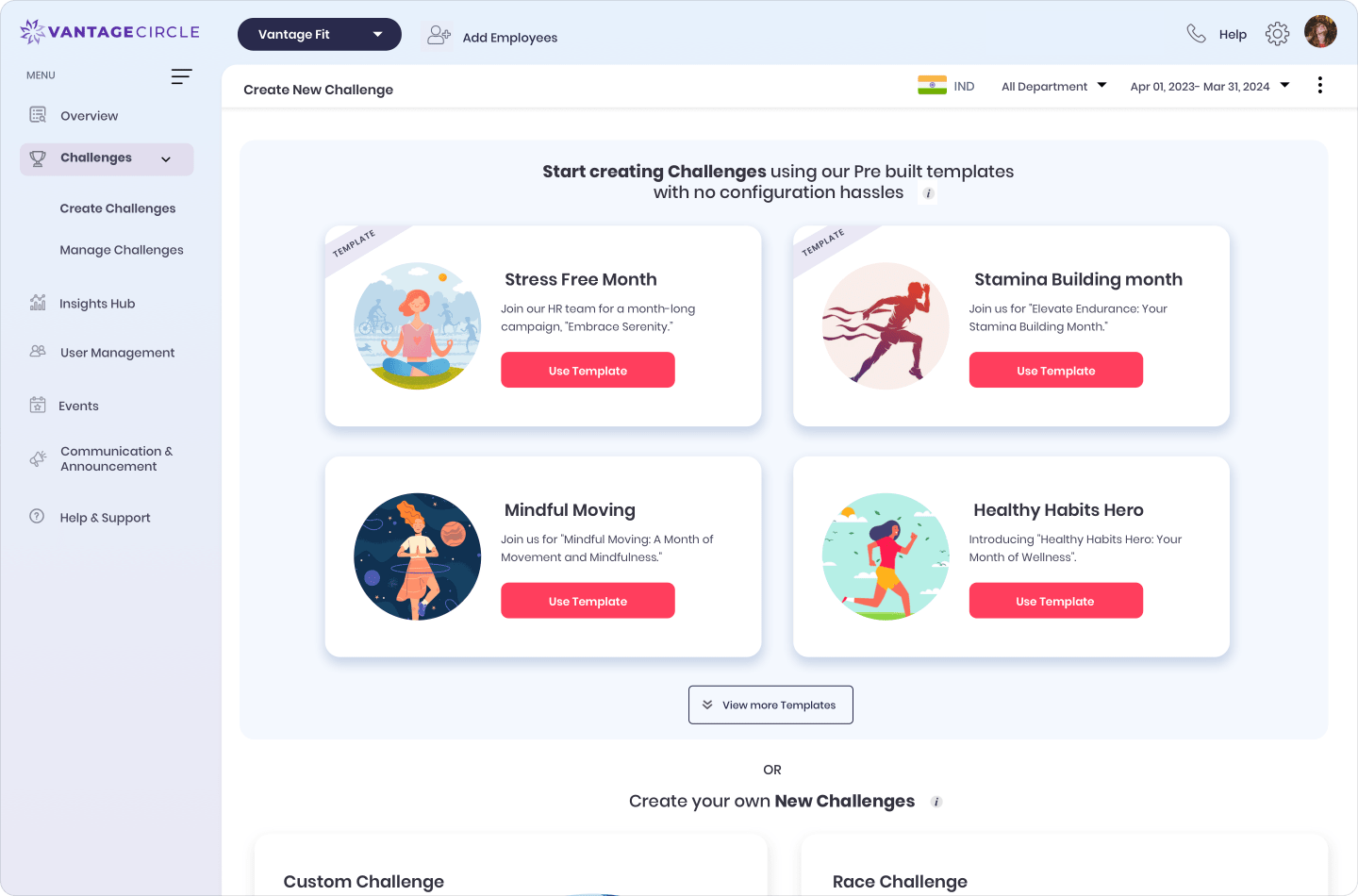
Vantage Fit helps bring that consistency into the workday. Employees can check in with their mood, pause for a guided meditation, or take a few minutes to reset between tasks. Over time, these small actions build awareness and create space to recover.
For HR teams, the process stays simple and structured. Pre-built challenge templates such as “Stress-Free Month” offer a clear way to bring everyone together around burnout prevention, making it easier to turn good intentions into habits that actually stick.
9. Build A Virtual Community.
Remember the pre-pandemic days of coffee breaks, chat and lunch break laughter with colleagues? Those seemingly trivial interactions fostered a sense of community, which is crucial for remote workers. Research has even linked chronic loneliness to serious health risks, with some studies suggesting its impact may exceed risks associated with obesity and smoking.
The lack of daily interaction can lead to burnout for your remote teams. Unvoiced concerns fester, minor frustrations snowball, and morale plummets. But it is not unavoidable. You can still build vibrant virtual communities that bridge the physical gap and keep your team thriving.
Think beyond the traditional meeting! Host live-streamed fitness classes to get your team moving together.
You can also host virtual team-building activities to lift employees' morale and encourage teamwork even if they aren't close.
Offer interactive webinars on topics relevant to your team's interests or professional development.
Create a dedicated online space for casual chats, virtual coffee breaks, and host online meditation sessions.
Set up discussion boards where employees can exchange ideas, collaborate on projects, and offer peer support.
Read more on: 16 Virtual Wellness Ideas and Activities for Remote Employees
10. Introduce An Employee Wellness Program
Remote work settled in quickly after the pandemic, and its impact on mental well-being became hard to ignore. Burnout, low mood, and disengagement started showing up more often, pushing organizations to respond with more structured support.
IBS Software’s 28-day March to Fitness challenge, powered by Vantage Fit, offers a clear example. Out of more than 500 participants, 130 tracked their daily mood and 95 engaged in mental wellness activities, helping drive an overall engagement rate of 88 percent.
A thoughtful employee wellness program addresses both sides of the problem. Almost all remote employees slip into sedentary lifestyles when working from home; combining physical activity challenges with mental wellness resources gives teams a way back to balance. Employers can host virtual health challenges and incentivize top performers to keep momentum going.
While total burnout prevention might not be realistic, you can significantly reduce the intensity and recover from work-from-home burnout.
How Can Technology Contribute To Work-from-home Burnout?
Remote employees often face a unique challenge: isolation. Disconnected from the daily buzz of an office, they can feel unseen and unheard. This isolation can lead to overwork, burnout, and even unhealthy competition with unseen in-office colleagues as they strive to prove their value.
Technology offers powerful tools to build a solid virtual community and combat these issues.
While communication tools are key, it's important to acknowledge their potential downside. Constant use of instant messaging (IM), email updates, and an "always-on" mentality can lead to burnout. It's all about finding the right balance.
Let's discuss how technology can come to your aid.
Modern communication technologies powered by AI can be game changers. Platforms with built-in virtual assistants can answer questions, schedule meetings, and handle administrative tasks within video conferencing platforms. This frees up employees' time and reduces disruptions to their workflow.
Fostering Well-being with Vantage Fit
However, building a thriving remote work environment goes beyond efficiency. Vantage Fit, for example, is a comprehensive employee wellness app designed to address the specific needs of remote workers — keeping distributed teams connected, engaged, and healthy.
Here's how Vantage Fit can help:
Step Challenges and Fun Activities: Encourage friendly competition and team spirit with step challenges and other engaging activities, such as virtual yoga sessions or 7-minute workout sessions.
Mood Tracking: Empower employees to track their moods and identify factors impacting their well-being, promoting self-awareness and proactive stress management.
Personalized Resources: Provide access to curated wellness content, mindfulness exercises, and support networks tailored to individual needs.
Boosting performance: Empower employees to make healthy choices with built-in nutrition trackers, encouraging a balanced lifestyle.
A pharmaceutical consulting firm, found Vantage Fit's content library particularly effective during a high-pressure project period:
"One of the features I loved the most is the Yoga Nidra session, which helped us relax in the stress-induced environment."
— Celegence
Summing It Up
Work-from-home burnout is real, but it can be prevented. Recognizing the warning signs early, building boundaries into your remote culture, and giving employees structured wellness support can make the difference between a team that thrives and one that quietly unravels.
Start with the strategies in this guide and back them up with the right tools. Your team will feel the difference.
Share